Water Damage Restoration Grand Rapids, MI
Grand Rapids homes and buildings get water extraction, structural drying and moisture logging from a crew that answers around the clock and works to the IICRC S500 standard.
(888) 612-9219Call for Grand Rapids water cleanup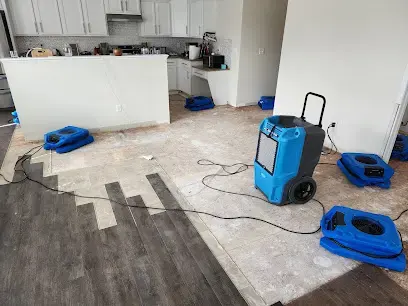
What to do in a Grand Rapids water emergency
Stop the water
Close the main shutoff or the valve at the fixture, and turn off breakers for any room with standing water.
Keep clear of sewage
Keep children and pets out of water that came from a drain or the sewer, and leave the cleanup to the crew.
Record the damage
Photograph the water level, wet belongings and the source before anything is moved, then list each damaged item.
Ask for moisture mapping
A moisture map at the start finds wet drywall, subfloor and framing early, so drying has a clear target.
Fourteen water services for Grand Rapids properties
From a flooded slab to a leaking ceiling, each service below has its own page with scope, process and a printed price range.
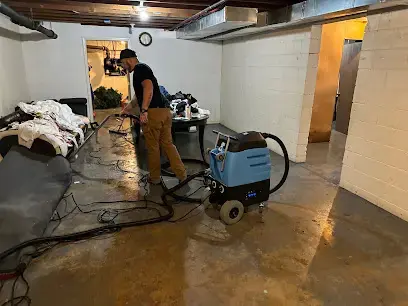 Water Extraction and RemovalPumps and extractors pull standing water off slabs and carpet, including in buildings near the Grand River.How it gets handled
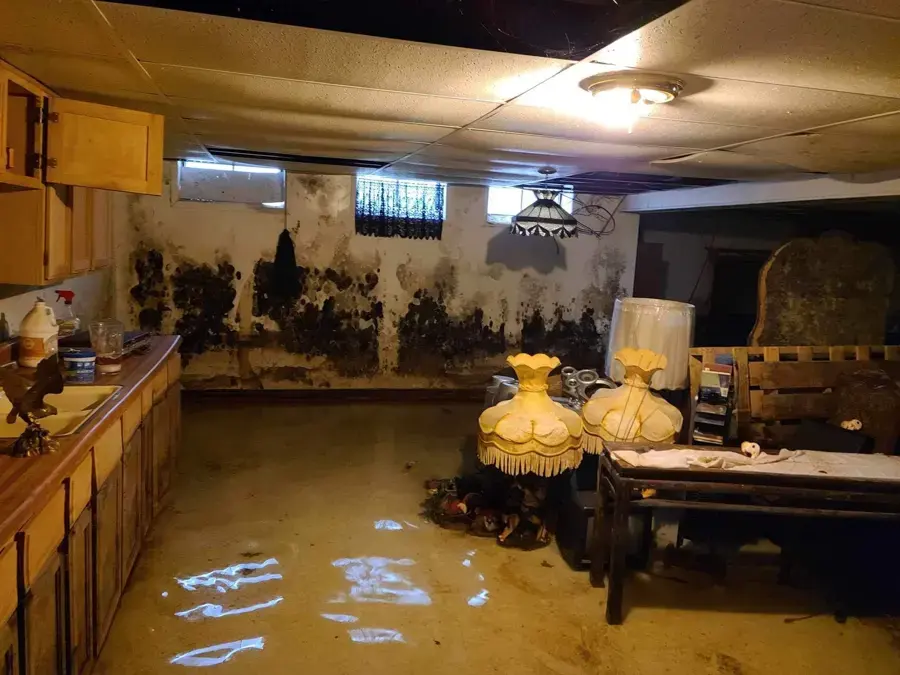
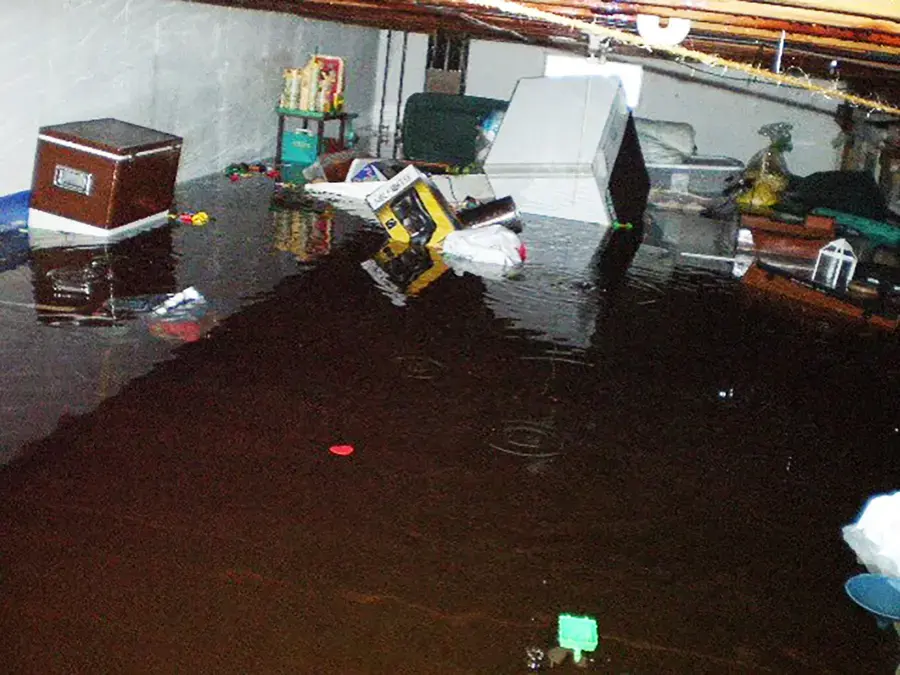 Basement Flooding CleanupFooting drains tied to the sanitary sewer can push water into basements, so pump out comes first.How it gets handled
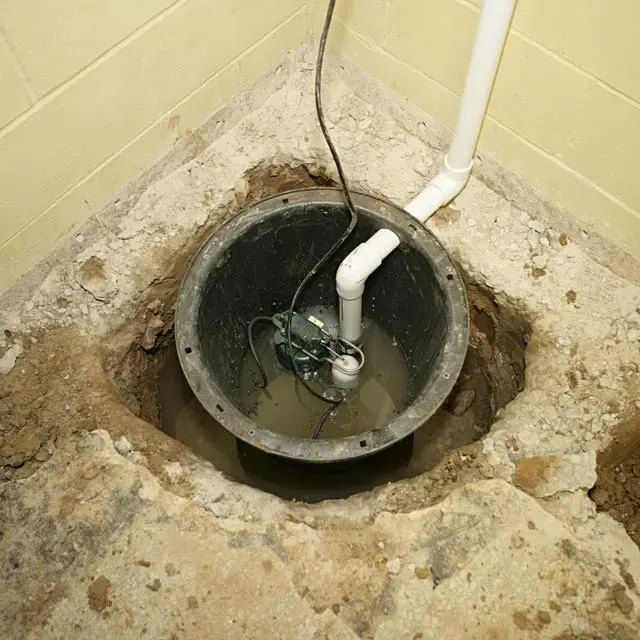 Sump Pump Failure CleanupA pump that quits in heavy rain lets groundwater cover the floor before anyone notices.How it gets handled
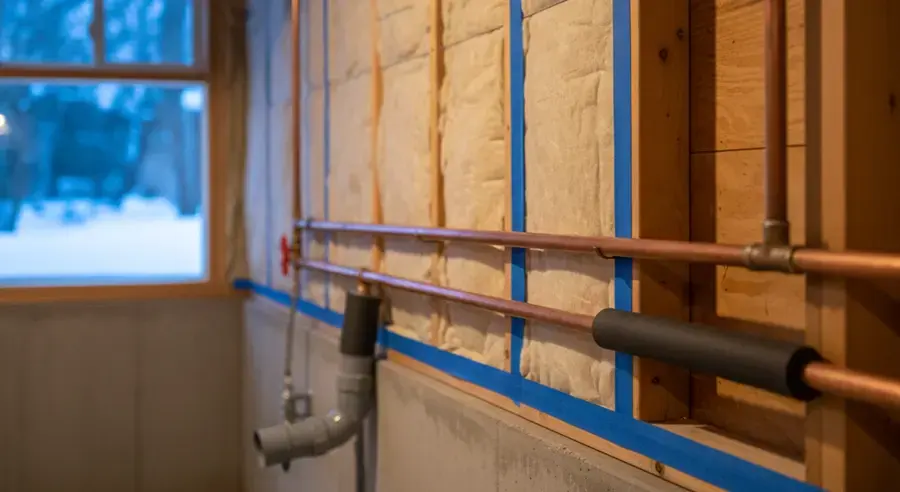 Frozen Pipe Water DamageOn about 138 nights a year the temperature drops below 32 degrees, and pipes in cold walls split.How it gets handled
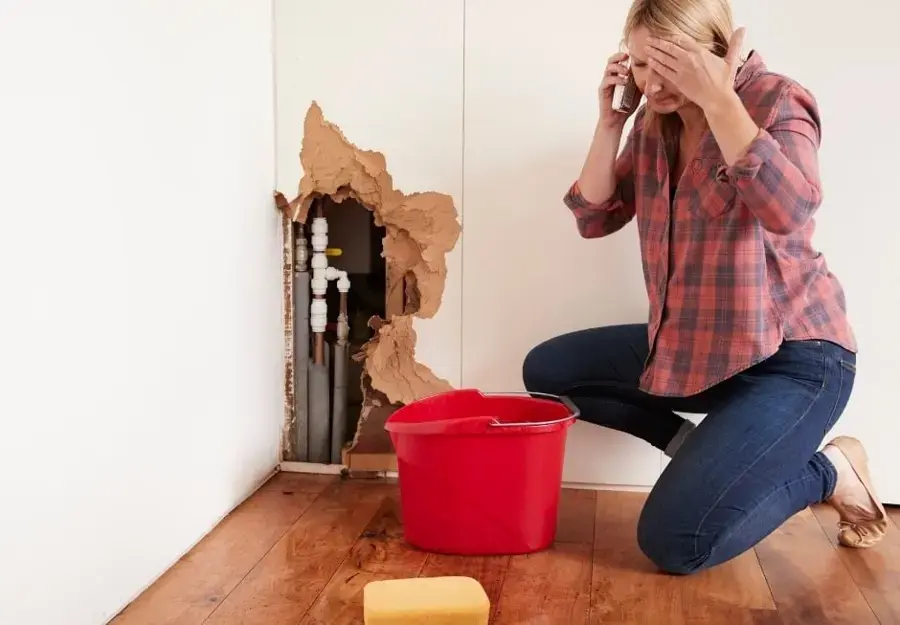 Burst Pipe Water DamageA split supply pipe floods a room fast, and drying starts at the wet wall and subfloor.How it gets handled
 Sewage Backup CleanupBackups tied to footing drains and the sanitary sewer need containment, removal of porous goods and antimicrobial cleaning.How it gets handled
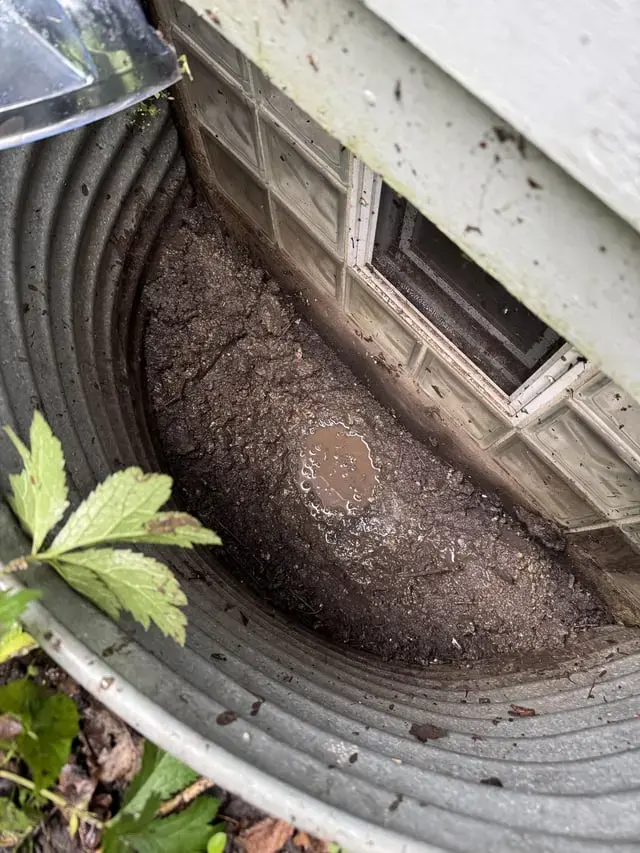 Storm and Flood Water CleanupHeavy rain and river flooding, as in 1904 and April 2013, leave mud, debris and wet lower levels.How it gets handled
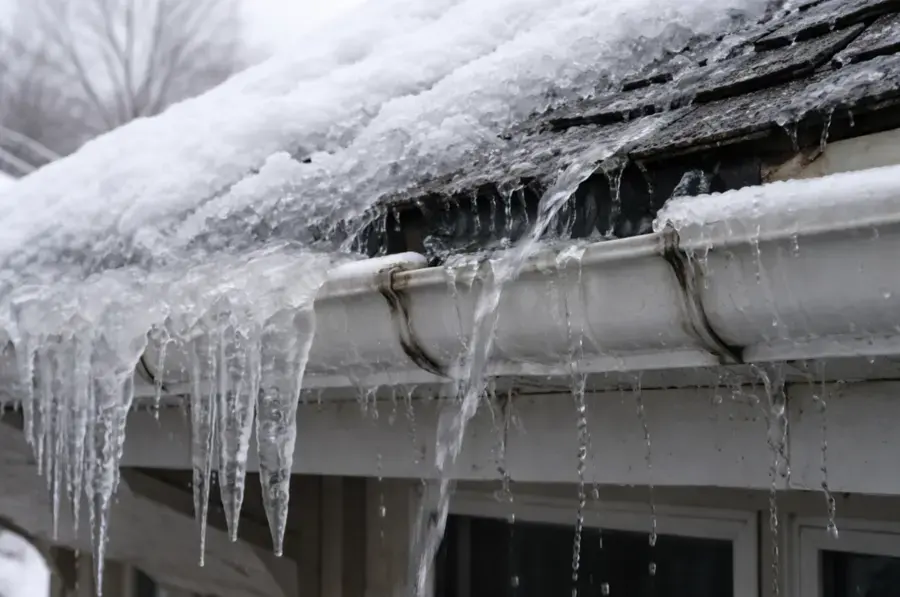 Ice Dam and Roof Leak Water DamageLake effect snow builds ice dams at the eaves, and meltwater backs under shingles into attic and ceiling.How it gets handled
 Ceiling Leak Water DamageA stained or sagging ceiling points to a leak above, and the source is found first.How it gets handled
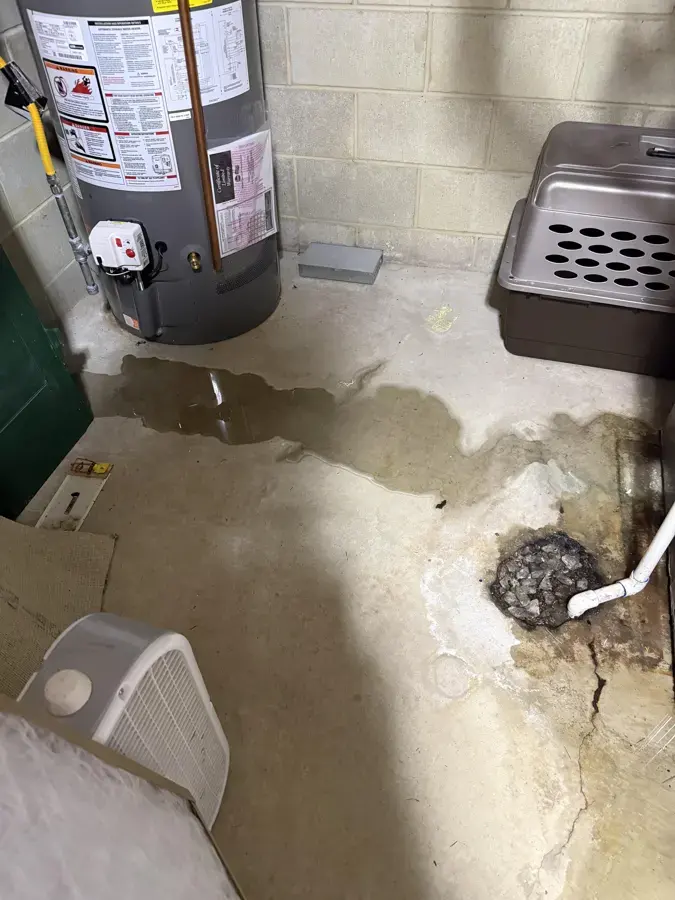 Water Heater Leak CleanupA failed tank floods the utility area, and a city permit covers the replacement that follows cleanup.How it gets handled
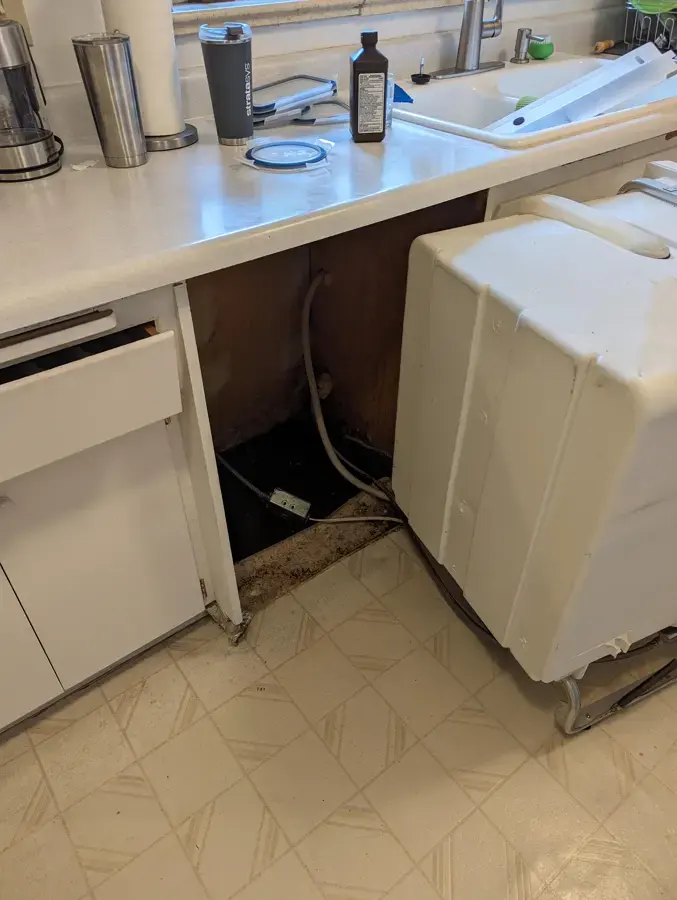 Appliance and Supply Hose LeaksWashers, dishwashers and refrigerator supply hoses leak quietly and soak floors and walls before anyone sees it.How it gets handled
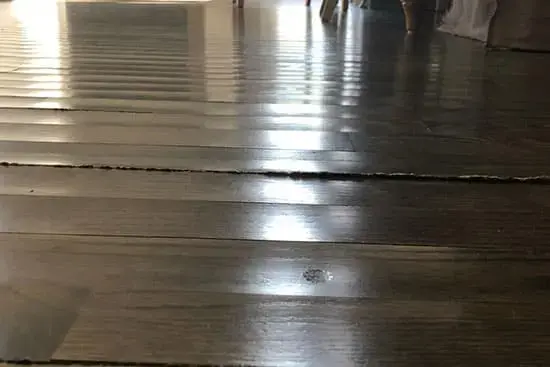 Hardwood Floor Water DamageHardwood cups and stains fast when water sits, so extraction and drying mats go down early.How it gets handled
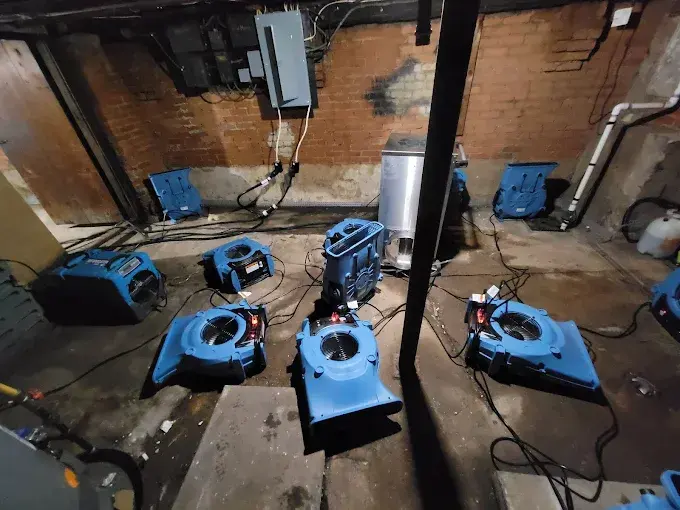 Structural Drying and DehumidificationAfter the water is out, framing, subfloors and drywall are dried to a measured standard with logged readings.How it gets handled
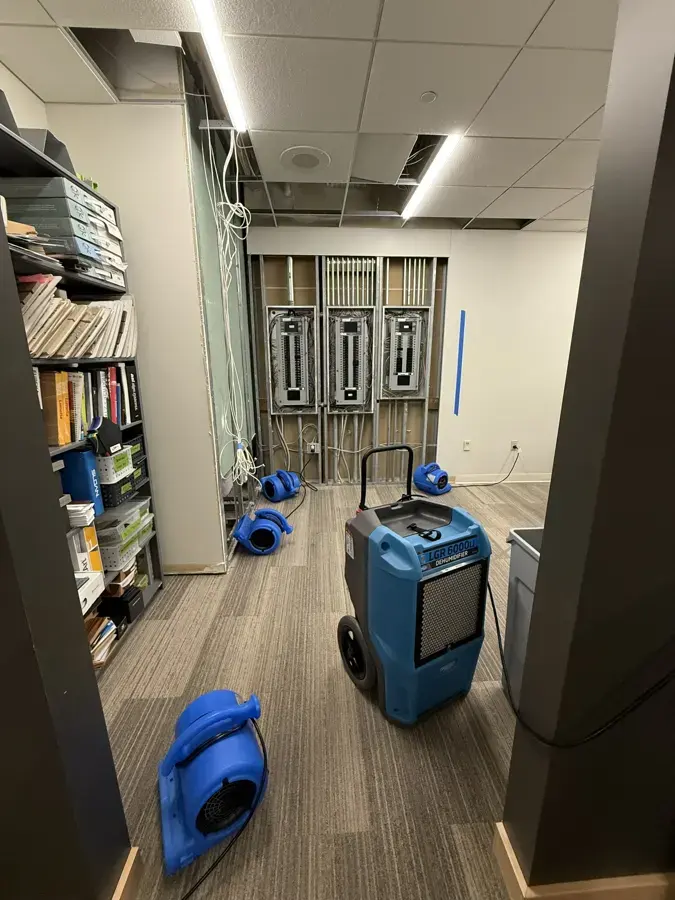 Commercial Water DamageLarge floor areas in hotels, medical buildings and offices near the Grand River let a leak spread fast.How it gets handled
Not sure which service fits your loss?
Describe what happened, and the dispatcher routes the call to the crew that handles that type of water loss.
Talk to a Grand Rapids dispatcherWater restoration shaped by the Grand River valley
Grand Rapids grew up beside the Grand River, and the flat, narrow valley holds homes, offices and basements with a long record of flooding. The crew treats every call as a drying job with a measurable finish, from the first pump to the final reading.
Fulton Street and Division Avenue split the city into four mailing quadrants, and service reaches all of them. Each job opens with water extraction and a moisture map that shows where the water traveled.
- Basement pump out and water extraction
- IICRC S500 drying plans with daily readings
- Photos and logs ready for the adjuster
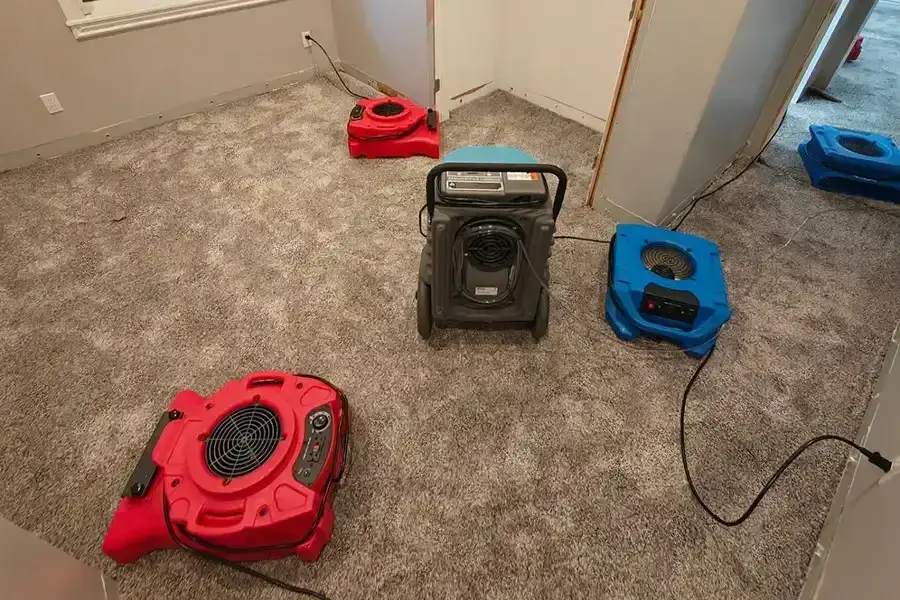
A drying standard backed by daily readings
- 1
Find the wet areas
Meters and thermal imaging trace water into walls, subfloors and ceilings so the drying plan covers what the eye cannot see.
- 2
Remove standing water
Truck mounted and portable units pull standing water, then carpet pad and debris that would hold moisture are hauled out.
- 3
Place drying equipment
Air movers and low grain refrigerant dehumidifiers go where the readings call for them, and the crew adjusts them each visit.
- 4
Confirm the finish
Final readings are compared with dry reference points, and the logs go to the owner and the adjuster as proof of the dry out.
Local crews, measured drying, clear paperwork
Round the clock dispatch
Calls are taken at any hour, and a crew is sent from the Grand Rapids area with pumps, extractors and drying gear on board.
IICRC S500 method
Drying plans follow the S500 water damage standard, with categories, classes and target readings written down at the start.
Paperwork that holds up
Photos, moisture logs and equipment records are kept for each room, which gives the adjuster a clear file.
Local conditions known
River valley flooding, lake effect snow and sewer connected footing drains all shape how Grand Rapids jobs are scoped.
What water damage restoration costs in Grand Rapids
Most Grand Rapids jobs land between $1,000 and $30,000, depending on how much water, how long it sat and whether it was clean, gray or black. A small clean loss costs far less than a finished basement with sewage. Written estimates come from measured square footage and readings, not a guess from the doorway.
Small, clean loss
- One room of wet flooring
- Extraction and fans
- Short dry out
Finished lower level
- Carpet and pad removed
- Wet drywall cut out
- Dehumidifiers for several days
Large or contaminated
- Gray or black water
- Containment and removal
- Full tear out and drying
Ranges are typical for Michigan jobs and shift with water category, affected materials and drying time. The exact figure comes from readings taken on site, not from a phone estimate.
Water category decides the cleanup plan
Clean water
A split pipe or failed supply hose releases clean water at first, so fast extraction and drying often save flooring and drywall.
Burst pipe water damageGray water
Dishwasher, washer and similar overflows carry soap and soil, so wet porous materials are removed rather than dried in place.
Appliance leak water damageBlack water
Sewer backups and river flood water carry bacteria, which calls for containment, protective gear and removal of porous goods.
Sewage backup cleanupRecords to gather for the claim
- Photos of the water, source and damaged rooms
- Date and time the leak was found
- List of ruined belongings with rough values
- Moisture readings and equipment logs
- Receipts for emergency repairs and supplies
- Copies of everything sent to the adjuster
Policies differ on sewer backup and groundwater coverage, so read the water damage terms or call the insurer before the work begins. Documentation is built into each job, which keeps the file consistent.
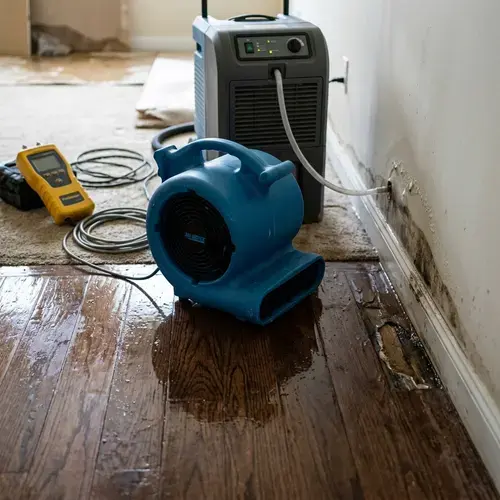
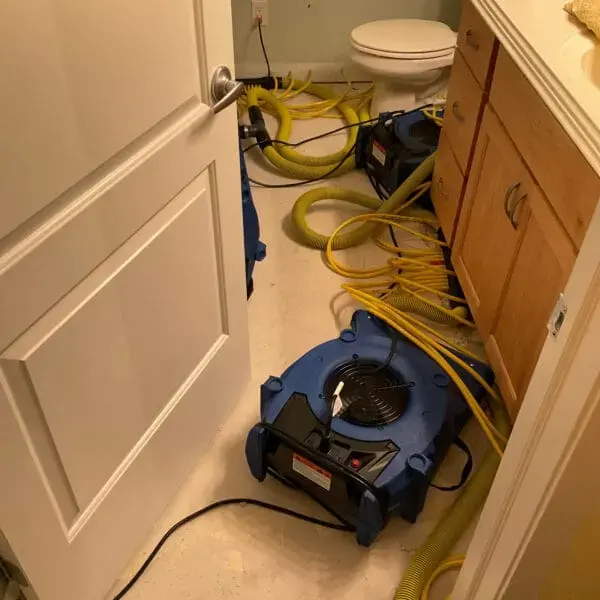
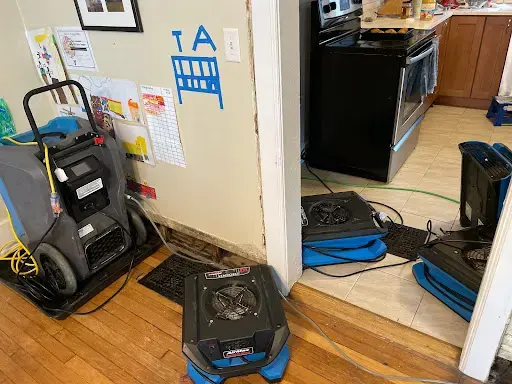
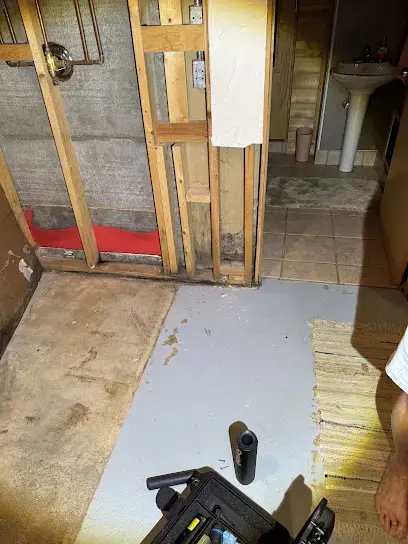
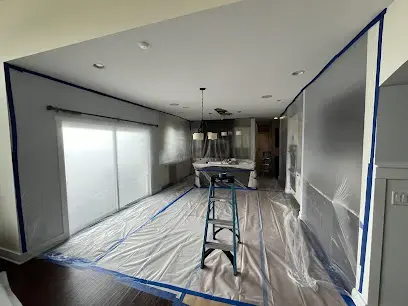
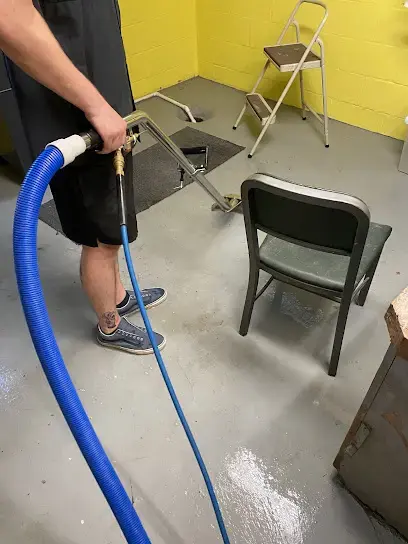
Drying equipment and cleanup work on real water losses
Service across Grand Rapids neighborhoods
Crews work in every Grand Rapids mailing quadrant, from the river valley to the hills and bluffs that surround it.
Grand Rapids ZIP codes
ZIP codes in the city run from 49503 to 49508, and a call from any of them is routed to the nearest available crew.
Nearby cities
Downtown core
- Heartside
- Heritage Hill
- Midtown
- Monroe North
East side
- Eastown
- East Hills
- Creston
- Eastgate
South and southeast
- Alger Heights
- Garfield Park
- Oakdale
- South Hill
West and north
- Westside
- West Grand
- Fulton Heights
- Highland Park
Water damage help across the Grand River valley
A water emergency does not wait for business hours, so dispatch stays open all day and night for Grand Rapids and nearby cities. Call, describe the loss, and a crew is lined up.
Call about your water loss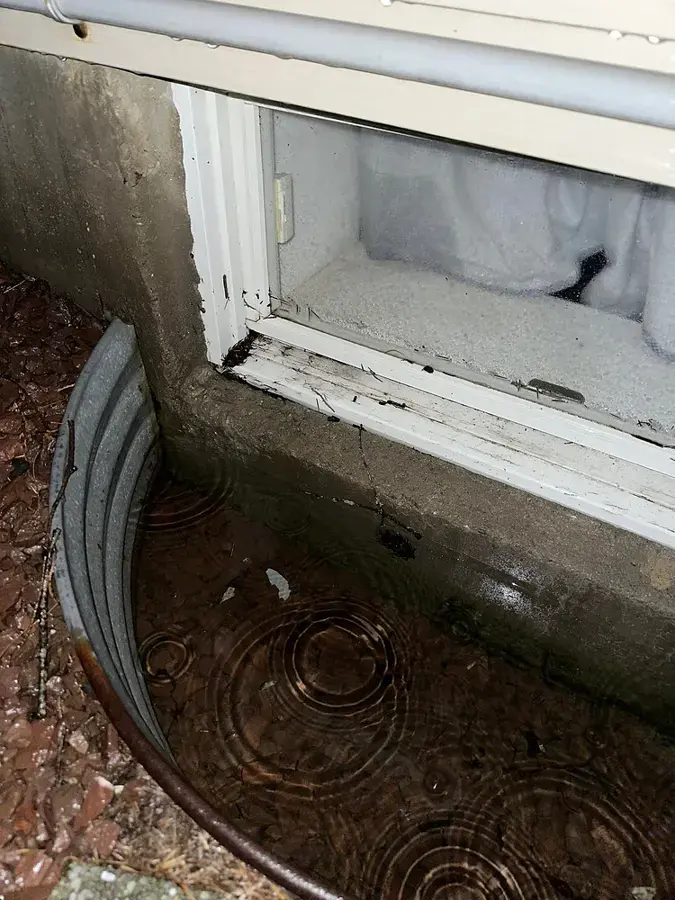
Why Grand Rapids basements and buildings take on water
Dated events show how river flooding, heavy rain and a water main break reach local properties.
- The 1904 Grand River flood displaced 14,000 people and damaged 2,500 homes and 30 businesses in Grand Rapids.
- In April 2013 the river crested at 21.85 feet on April 21, the highest level ever recorded downtown, above the 18 feet flood stage.
- Record rain of 9.1 inches fell by the morning of April 18, 2013, breaking a 104 year old record.
- A June 2024 water main break near Philadelphia Avenue and Adams Street left neighbors with flood and mold damage.
Grand Rapids water damage questions
Q01What should I do first when water enters my home?
Stop the source if it is safe, switch off power to wet rooms and keep people away from any water that came from a drain. Then photograph the damage and call for extraction.
Q02How soon does drying need to start?
Water soaks into drywall, pad and wood quickly, so extraction and dehumidifiers should start right away. Waiting raises the risk of swelling, stains and mold.
Q03Does a flooded basement mean the sewer backed up?
Not always. The city says footing drains connected to the sanitary sewer add water that can cause basement sewer backups in many areas. Rain seepage and a failed sump pump flood basements too, so the source is identified first.
Q04Is sewage backup cleanup different from clean water cleanup?
Yes. Sewage is category three water, so crews contain the area, wear protective gear and remove porous materials such as carpet and drywall instead of drying them in place.
Q05What does water extraction cost in Grand Rapids?
A small clean loss often falls between $1,000 and $4,000, while a finished basement or contaminated water costs more. Moisture readings taken on site set the written estimate.
Q06Will insurance cover the cleanup?
Coverage depends on the policy and the cause. Burst pipes are often covered, while groundwater and sewer backup may need an added endorsement, so read the policy early and keep every record.
Q07Can a ceiling leak be dried without tearing it out?
Sometimes. A small stain can be dried in place with readings, but sagging drywall or wet insulation is cut out so the joist bays can dry. See ceiling leak water damage.
Q08What happens to hardwood floors after a leak?
Boards soak up water and begin to cup within days, so drying mats and dehumidifiers go down quickly. Boards that buckle or took contaminated water are removed, as covered under hardwood floor water damage.
Q09Do commercial buildings get different drying plans?
Yes. Offices, hotels, medical suites and showrooms get phased drying plans with containment, so tenants in dry areas can keep working.
Q10Does a failed water heater need a permit?
The city requires a plumbing permit for work on a water heater beyond a fixture swap, and a mechanical permit covers updates. Cleanup is done first, then the permitted replacement follows.
Water in a Grand Rapids property needs fast action
Call dispatch, describe what happened, and a crew is sent with extraction and drying equipment. The sooner the water comes out, the less of the structure has to be replaced.
(888) 612-9219Get a Grand Rapids crew moving