Water Damage Restoration Wyoming, MI
24/7 water damage restoration in Wyoming, MI. The restoration team extracts standing water, dries the structure to the IICRC S500 standard and documents every step for your insurance claim.
(888) 612-9219Water in the basement? Call the Wyoming crew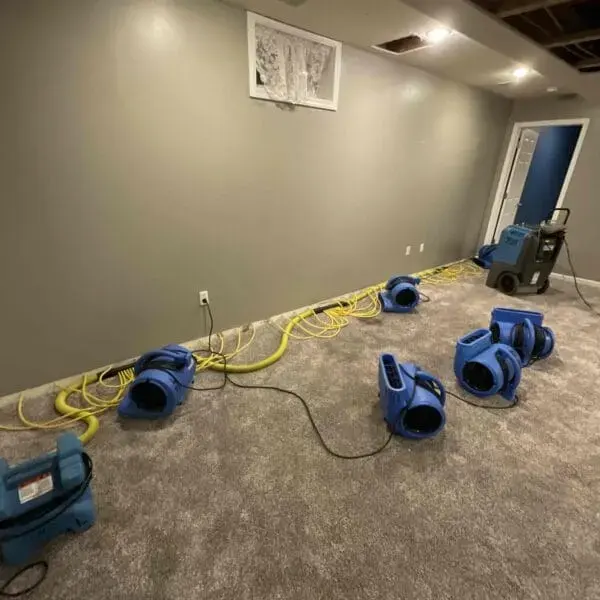
What to do while the water is still moving
Close the main valve
Most Wyoming homes have it in the basement where the water pipe comes through the foundation wall.
Cut power to wet areas
Switch off breakers for the basement or wet rooms, only if you can reach the panel without standing in water.
Take photos first
Shoot photos and video of the water, the source and the damage before anything is moved or thrown out.
Lift what you can, then call
Get boxes, rugs and electronics off the floor. Wet drywall and carpet start to grow mold in 24 to 48 hours.
Water Damage Restoration Services in Wyoming, MI
Fourteen water damage services, from emergency extraction to Category 3 sewage cleanup, shaped around the block basements, sump pits and hard winters of Wyoming homes.
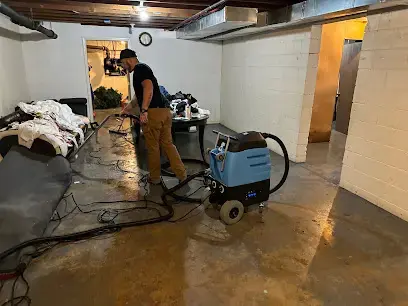 Water Extraction and RemovalTruck-mounted and portable extraction pulls standing water off carpet, tile and basement concrete first.How it gets handled
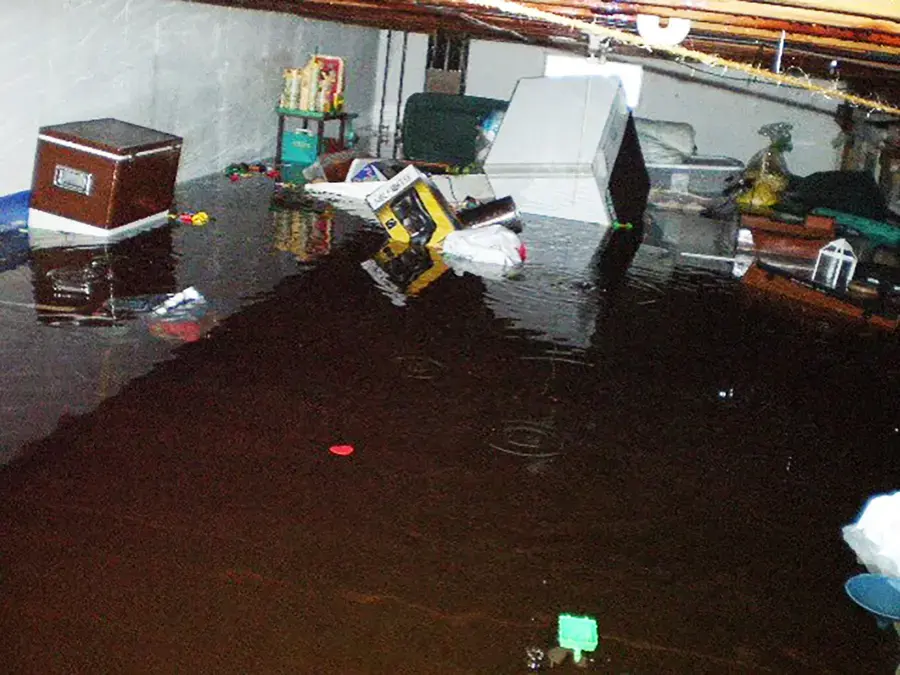 Basement Flooding CleanupInches of water across a basement, pumped out, the finished side sorted and the block walls dried.How it gets handled
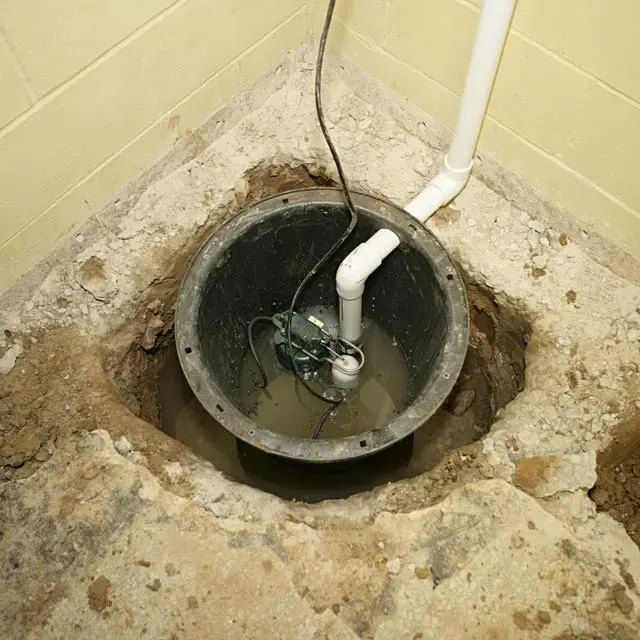 Sump Pump Failure CleanupA burned-out pump, a power outage or a frozen discharge pipe lets the pit overflow. The cleanup starts at the pit.How it gets handled
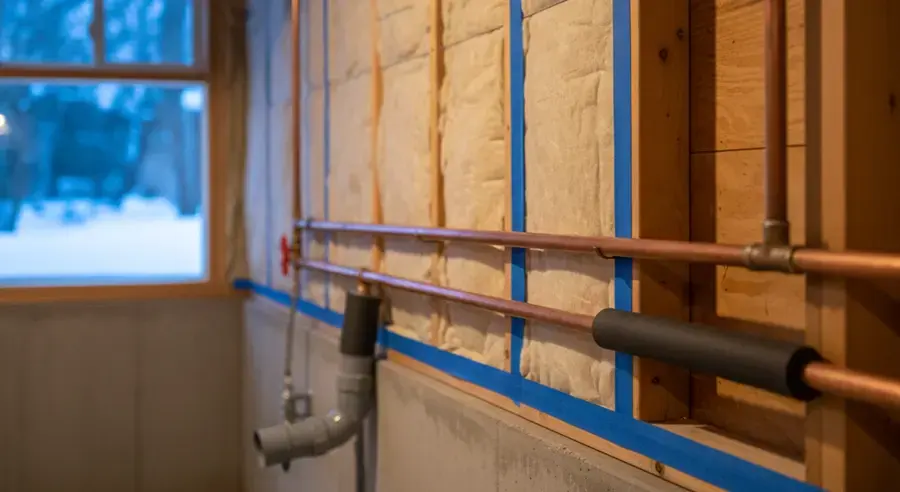 Frozen Pipe Water DamagePipes in outside walls and over unheated spaces split in a deep freeze and flood once they thaw.How it gets handled
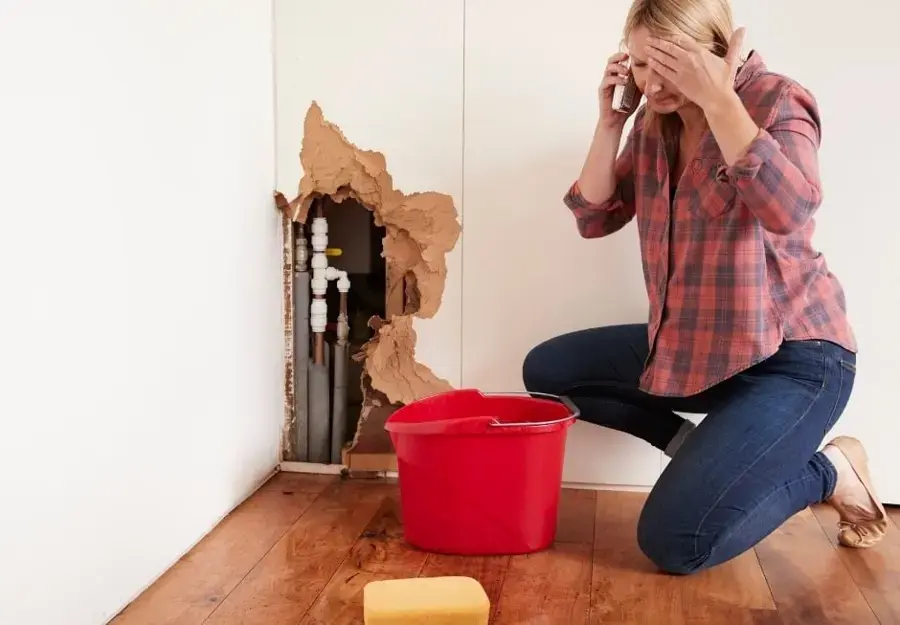 Burst Pipe Water DamagePinholed copper, tired galvanized and failed fittings, extracted and dried inside the wall and ceiling.How it gets handled
 Sewage Backup CleanupFloor drain and toilet backups handled as Category 3, with containment, removal and antimicrobial.How it gets handled
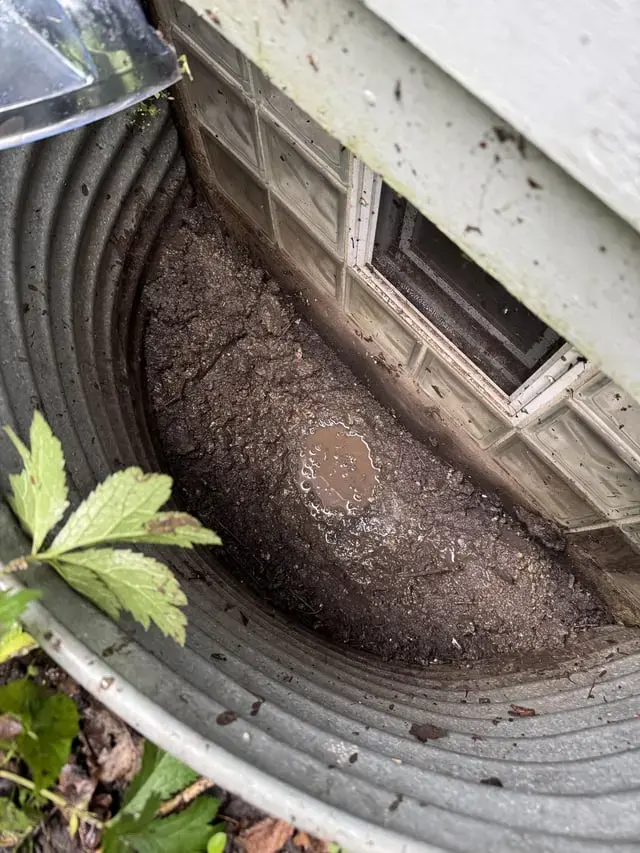 Storm and Flood Water CleanupHeavy rain and snowmelt that pours through window wells, stairwells and doors, cleaned out and dried.How it gets handled
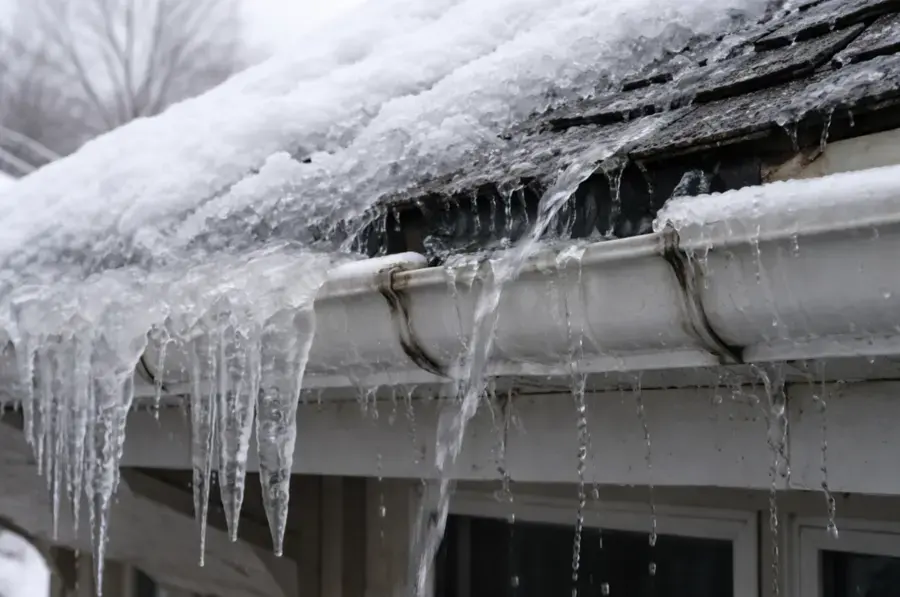 Ice Dam and Roof Leak Water DamageMeltwater trapped behind ice dams soaks attic insulation and ceilings. Drying runs from the attic down.How it gets handled
 Ceiling Leak Water DamageA bathroom or pipe leak above the ceiling, traced with thermal imaging and dried in the joist bays.How it gets handled
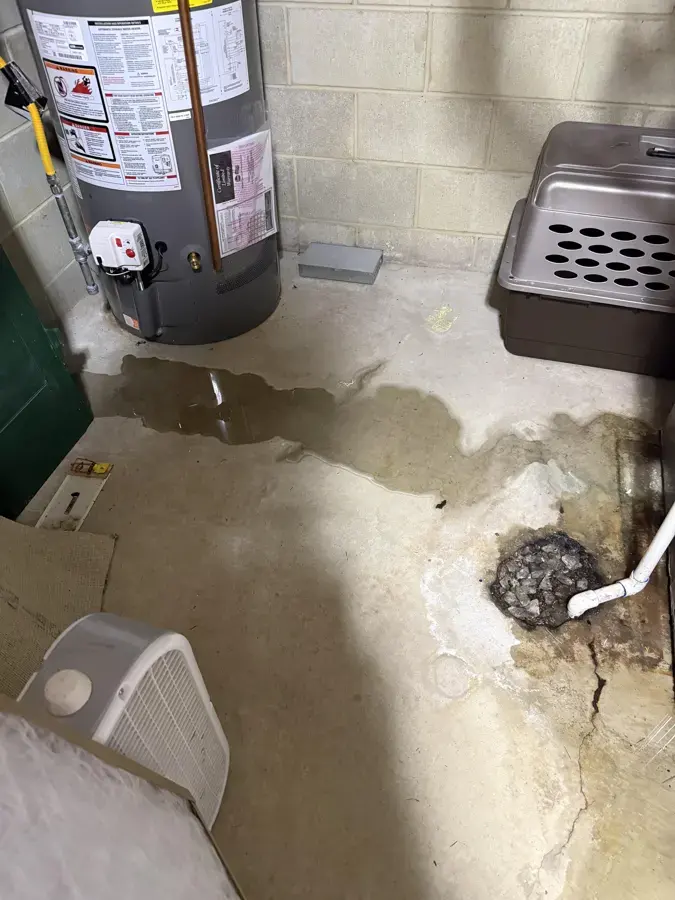 Water Heater Leak CleanupTank failures in basement utility rooms, extracted before the water reaches carpet and drywall.How it gets handled
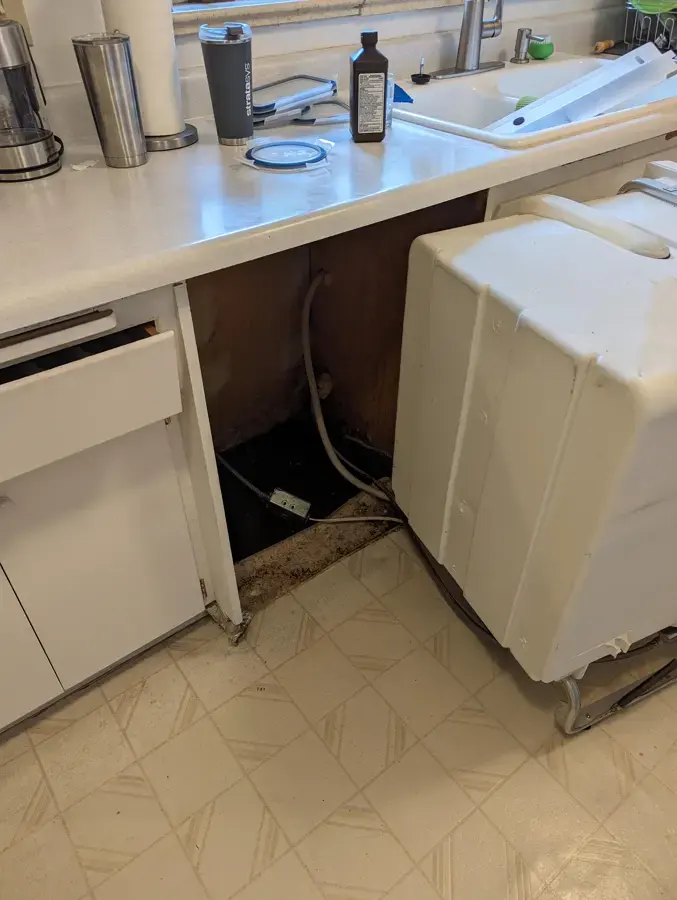 Appliance and Supply Hose LeaksWasher hoses, dishwashers, ice makers and toilet supplies that leak slowly under floors and cabinets.How it gets handled
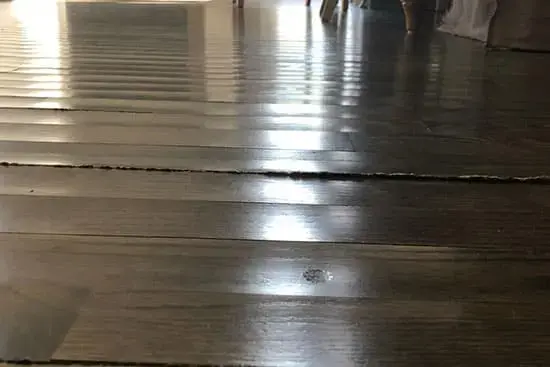 Hardwood Floor Water DamageCupped oak floors dried in place under drying mats when the boards can be saved.How it gets handled
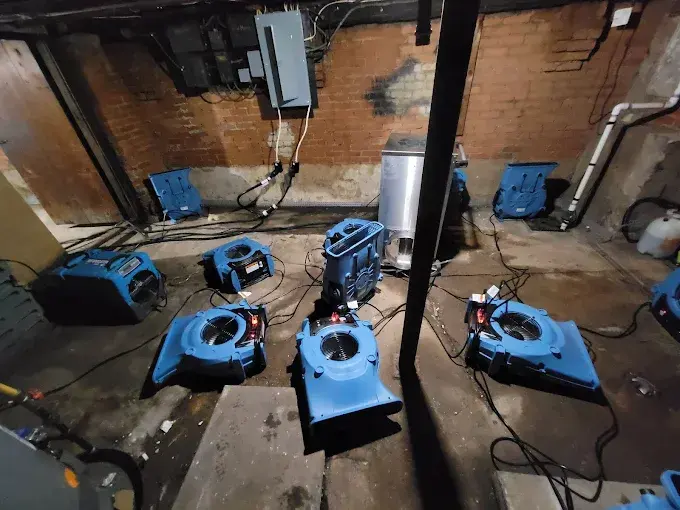 Structural Drying and DehumidificationFraming, subfloor, block walls and the slab dried to within 2 to 4 points of a dry reference.How it gets handled
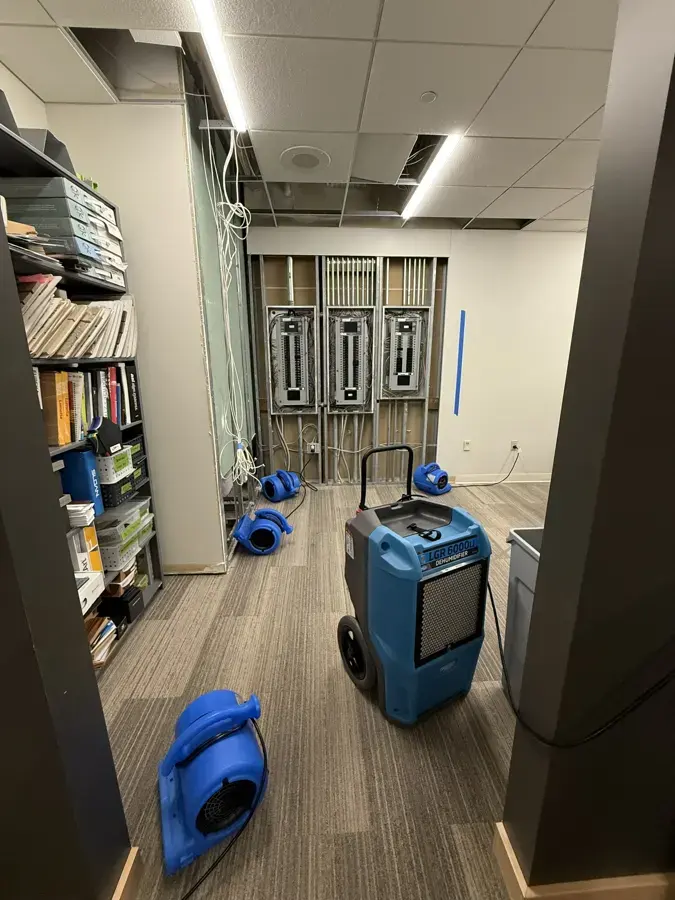 Commercial Water DamageShops along 28th Street and Division, offices and apartment buildings dried in phases.How it gets handled
Not sure what you are looking at?
Describe the water and where it came from. The restoration team sorts out the source, the category and the drying plan.
Talk it over with dispatchRestoration built around Wyoming basements and West Michigan winters
Wyoming grew fast after it became a city in 1959, and much of its housing went up between the 1950s and the 1970s: ranches, bungalows and split-levels on block basements, many of them finished. When water gets into a Wyoming home, it usually ends up in that basement.
The Wyoming restoration crew handles water and sewage only: extraction, structural drying and the documentation an adjuster needs. Every job starts with a moisture map and ends with readings that match a dry reference.
- Finished-basement tear-out and block wall drying
- Sump pump, floor drain and frozen pipe losses
- Sewage and floodwater handled as Category 3
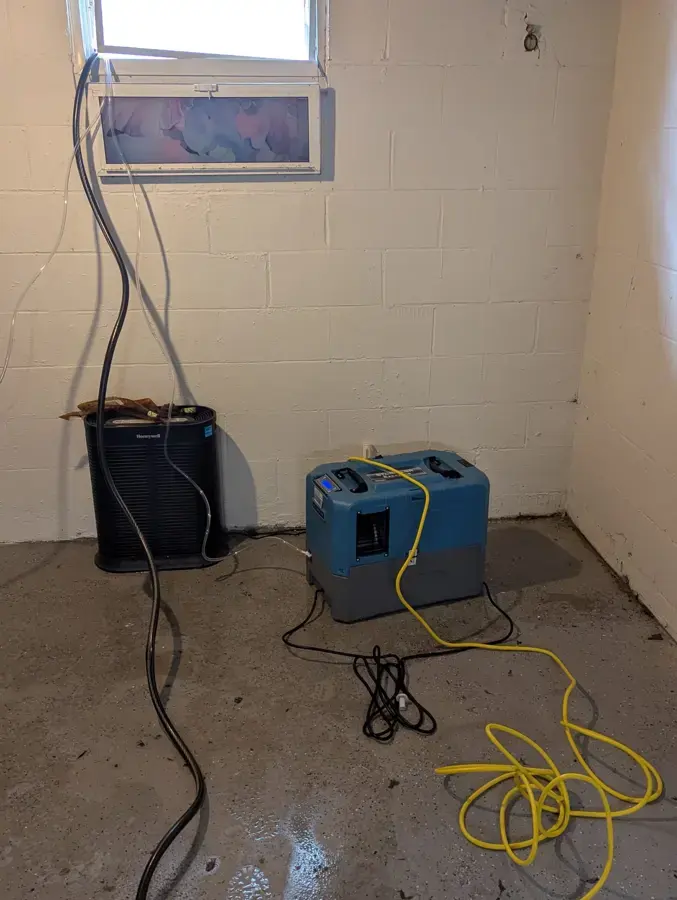
Water damage dried to the IICRC S500 standard
- 1
Moisture mapping first
The tech who does the walkthrough maps wet materials with pinless meters and thermal imaging before any equipment goes down.
- 2
Truck-mounted extraction
The extraction crew pulls standing water out of the basement so it stops wicking up drywall and into stored contents.
- 3
Air movers and LGR dehumidifiers
The drying team sets equipment to each room's evaporation load, with desiccants for dense materials like oak, plaster and block.
- 4
Daily readings to the drying goal
Equipment stays until wet materials read within 2 to 4 points of a dry reference in the same house.
How a Wyoming water loss gets handled right
Rapid local response
Wyoming water damage pros run 24/7 dispatch, and the response team treats standing water as urgent at any hour, holidays included.
IICRC S500 drying standard
The drying team follows IICRC S500, the industry drying standard: moisture mapping first, then structural drying, not just surface drying.
Claim-ready documentation
Each loss gets a moisture map, daily readings and timestamped photos, the file an adjuster reads before deciding a claim.
West Michigan water know-how
Block basements, sump pits, floor drains, frozen pipes and ice dams: local water damage experts know how water moves through a Kent County house.
What does water damage restoration cost in Wyoming, MI?
In Wyoming, MI, water damage restoration typically runs $1,000 to $30,000 or more, depending on the water category, the square footage, the material class and how fast drying started. A clean-water leak caught early sits at the low end; a finished basement hit by sewage sits at the high end.
Contained loss
- One room or part of a basement
- Clean water caught early
- Extraction and a short dry-out
Finished basement
- Carpet, pad and lower drywall out
- Block walls and slab dried
- Air movers, LGR, daily logs
Major or Category 3
- Sewage or floodwater
- Containment and removal
- Antimicrobial and full drying
The cost drivers are the water category, the square footage, the material class and how fast drying started. For a planning range, run the Wyoming water damage cost calculator.
All water damage categories covered in Wyoming, MI
Category 1, clean water
Supply pipes, water heaters and frozen pipes. Extracted fast, most materials can be dried in place.
Frozen pipe water damageCategory 2, gray water
Washer and dishwasher discharge, sump water that sat. Soaked pad and some drywall come out.
Sump pump failure cleanupCategory 3, black water
Floor drain backups, sewage and outside floodwater. Porous materials are removed under containment.
Sewage backup cleanupDocumentation for your insurance claim
- A moisture map of every wet room from day one
- Daily psychrometric and moisture logs
- Timestamped photos before any demolition
- The category and class of the loss
- A line-item scope in the format adjusters use
- Sudden-and-accidental damage versus flood or backup, noted plainly
A burst pipe is often covered after the deductible, while sewer backup and sump overflow usually need their own endorsement and rising water needs flood insurance. Coverage depends on your policy, so check with your own insurer.
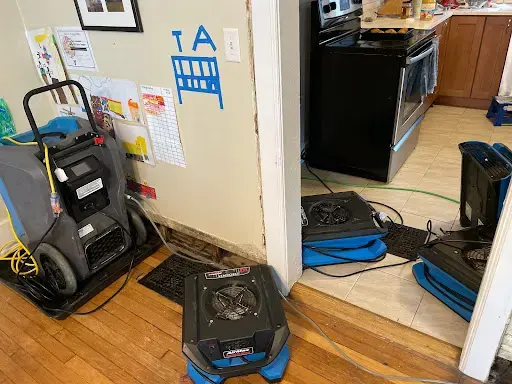
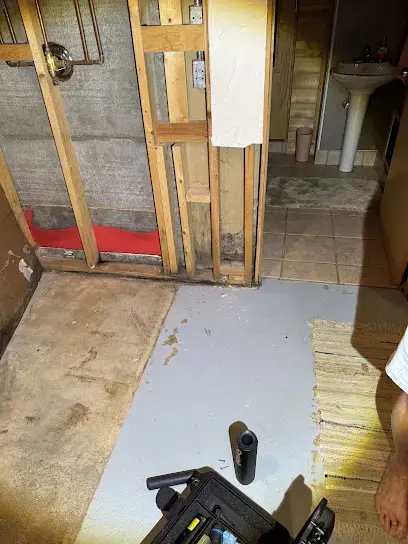
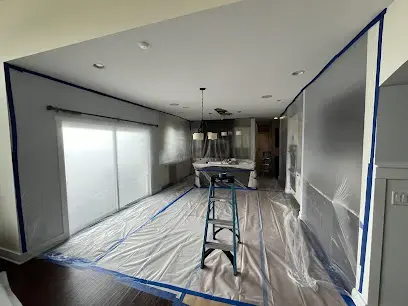
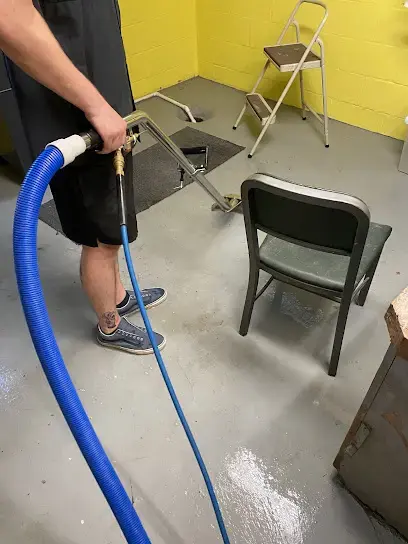
What a water damage dry-out looks like in Wyoming
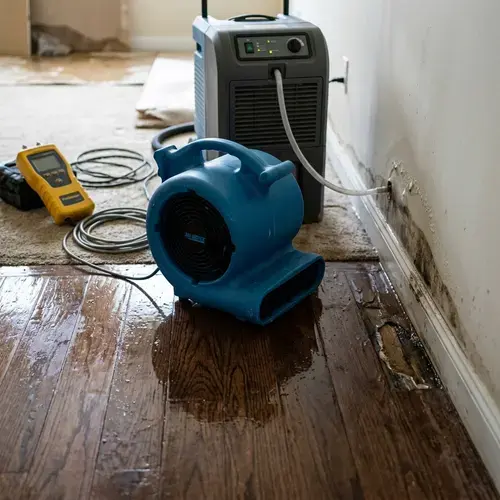
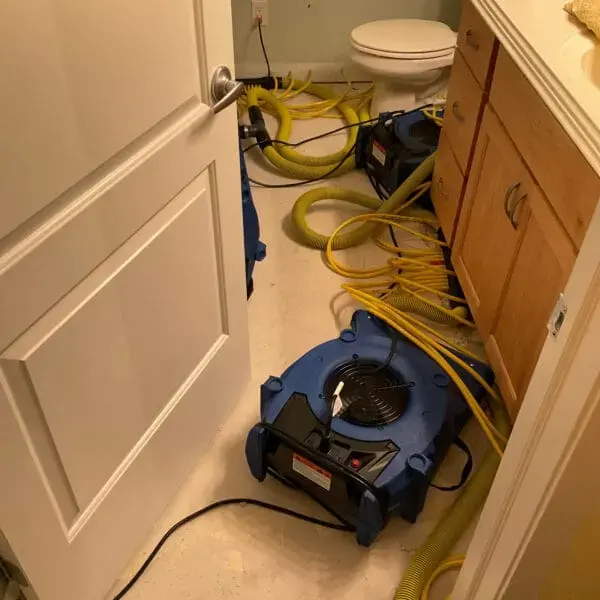
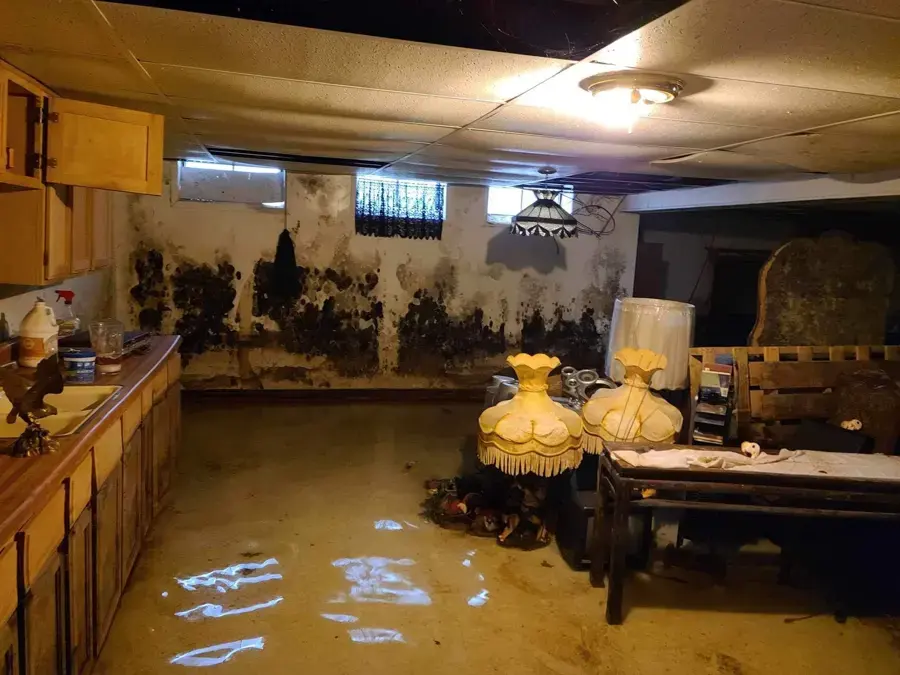
Water damage restoration across Wyoming and Kent County
The Wyoming restoration crew covers every neighborhood in the city and the Kent County suburbs around it, day or night.
Wyoming ZIP codes covered
From Wyoming Park and the Godfrey-Lee blocks near Chicago Drive down to 56th Street and the newer streets along Buck Creek, every Wyoming address is covered.
Nearby cities
North end and Chicago Drive
- Godfrey-Lee area
- Wyoming Park
- Chicago Drive corridor
- 28th Street SW
East side and Division
- Godwin Heights
- Division Avenue
- Kelloggsville area
- US-131 corridor
Central Wyoming
- Rogers Plaza area
- Clyde Park Avenue
- Burlingame Avenue
- Lamar Park area
South end and Buck Creek
- Byron Center Avenue
- 44th and 56th Street
- Metro Health area
- Ivanrest Avenue
One call reaches Wyoming water damage pros, 24/7
Dispatch runs at any hour, weekends and holidays included. Describe which room is wet, where the water came from and whether it is clean, gray or sewage, and the right extraction and drying gear heads out with the crew.
Send a Kent County drying crew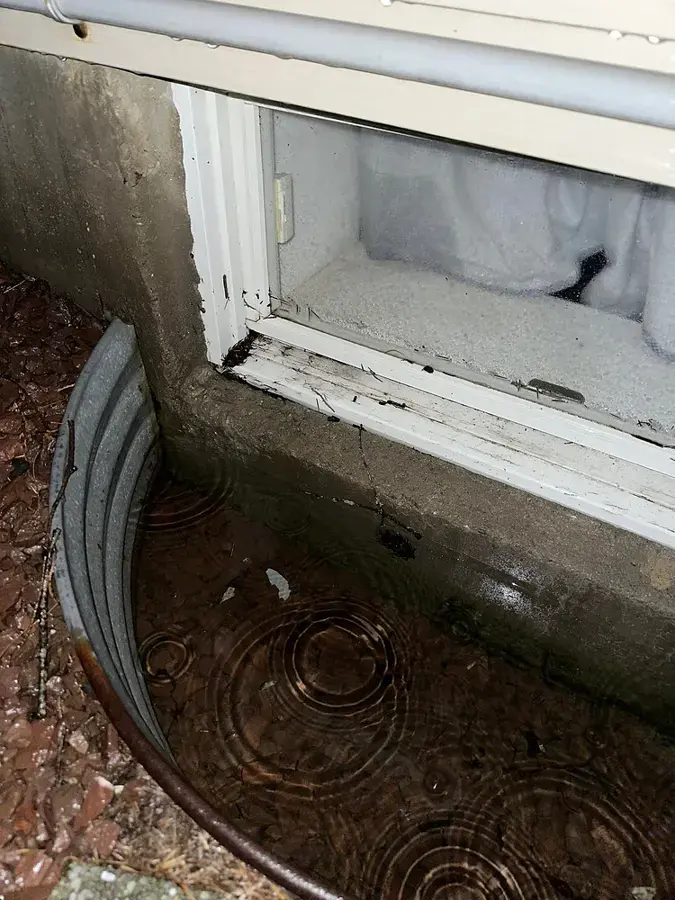
Water damage in Wyoming, MI: the local risk profile
West Michigan weather and a city full of postwar basements shape almost every loss here.
- Lake-effect snow off Lake Michigan and long freezes split pipes in outside walls and build ice dams on low roofs.
- Homes from the 1950s to the 1970s sit on block basements, many finished, so most water ends up below grade.
- Spring snowmelt plus heavy rain raises groundwater against basement walls and overworks sump pumps and floor drains.
- Buck Creek runs north through the city toward the Grand River, which set its record crest at Grand Rapids in April 2013.
Wyoming water damage questions, answered
Q01How fast does someone respond to water damage in Wyoming?
Dispatch runs around the clock and standing water is treated as urgent at any hour. Arrival depends on weather, roads and how many calls come in during a storm, so call as soon as you find the water.
Q02What causes most water damage in Wyoming homes?
Sump pump failures, frozen and burst pipes, floor drain and sewer backups, water heater leaks and ice dams. Because most homes have basements, the water usually collects below grade.
Q03Is a flooded basement covered by homeowners insurance?
It depends on the source. A burst pipe is often covered as sudden and accidental. Sump overflow and sewer backup usually need a water backup endorsement, and rising floodwater needs flood insurance. Coverage depends on your policy, so check with your own insurer.
Q04What does IICRC S500 mean?
IICRC S500 is the industry drying standard for water damage restoration. It covers moisture mapping, water categories and classes, equipment setup and daily documentation until materials reach a dry reference reading.
Q05How long does it take to dry a basement?
A contained Class 1 or 2 loss usually dries in three to five days. Block walls, a concrete slab and oak flooring hold water longer. Equipment comes out when readings say dry, not on a fixed date.
Q06What is the difference between mitigation and repair?
Mitigation stops the damage: extraction, drying, removing ruined materials and documenting the loss. Repair, meaning new drywall, carpet and paint, comes after the structure is dry.
Q07Why is a floor drain or sewage backup handled differently?
Sewage is Category 3 water the moment it happens. Porous materials it touched get removed, the crew works in protective gear under containment, and surfaces are treated with an EPA-registered antimicrobial.
Q08Does the drywall in a finished basement have to come out?
When it wicked gray or black water, when it is saturated past the point of drying or when it sags. Clean-water drywall that is still firm can often be dried in place after a flood cut at the bottom.
Q09How is the cost of water damage restoration figured?
By the water category, the square footage, the class of loss, how many drying days and pieces of equipment the job needs, and how fast drying started. The cost calculator gives a planning range.
Q10What should I do if my sump pump stops in a storm?
Check the breaker and the plug, keep power cords out of the water, move stored items up and call. A basement flood risk check helps plan for the next storm once the water is out.
Water spreading in a Wyoming home? Call now.
Every hour water sits, it wicks further into drywall, carpet pad and framing. The Wyoming restoration team extracts, dries to the IICRC S500 standard and documents the loss for the claim.
(888) 612-9219Get Wyoming water removal underway