Water Damage Restoration East Grand Rapids, MI
Wet basements, burst pipes and sewer backups in East Grand Rapids homes get extraction, moisture mapping and structured drying from a crew that knows older Kent County houses.
(888) 612-9219Talk to a dispatcher about water damage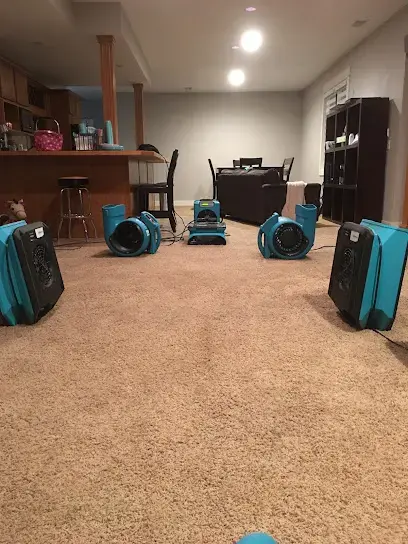
What to do while the water is still spreading
Stop the source
Shut the main valve where the meter sits, often in a basement, crawl space or utility closet, and switch off power to wet areas.
Protect what you can
Lift rugs, electronics and boxes off wet floors and move furniture legs onto foil or blocks so stain does not set.
Record the damage
Photograph and film every wet room, the high-water mark on walls and damaged belongings before anything is moved or thrown out.
Call before cleaning
Contact the crew before pulling carpet or running a household vacuum on standing water, since early extraction decides how much can be saved.
Water damage services for East Grand Rapids homes
Fourteen services cover the water problems that hit older Kent County houses, from a failed sump pump to a cracked clay sewer lateral and storm runoff.
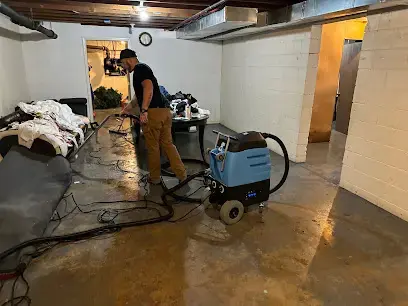 Water Extraction and RemovalTruck-mounted and portable units pull standing water from basements and crawl spaces before it reaches older framing.How it gets handled
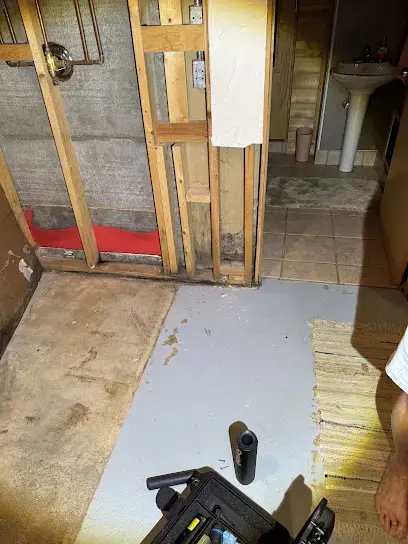
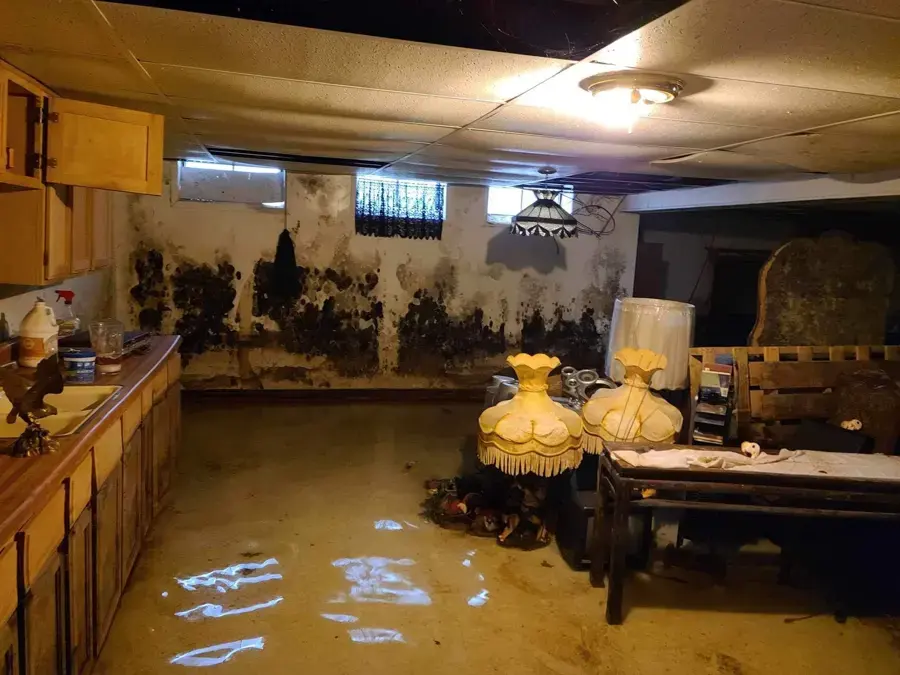
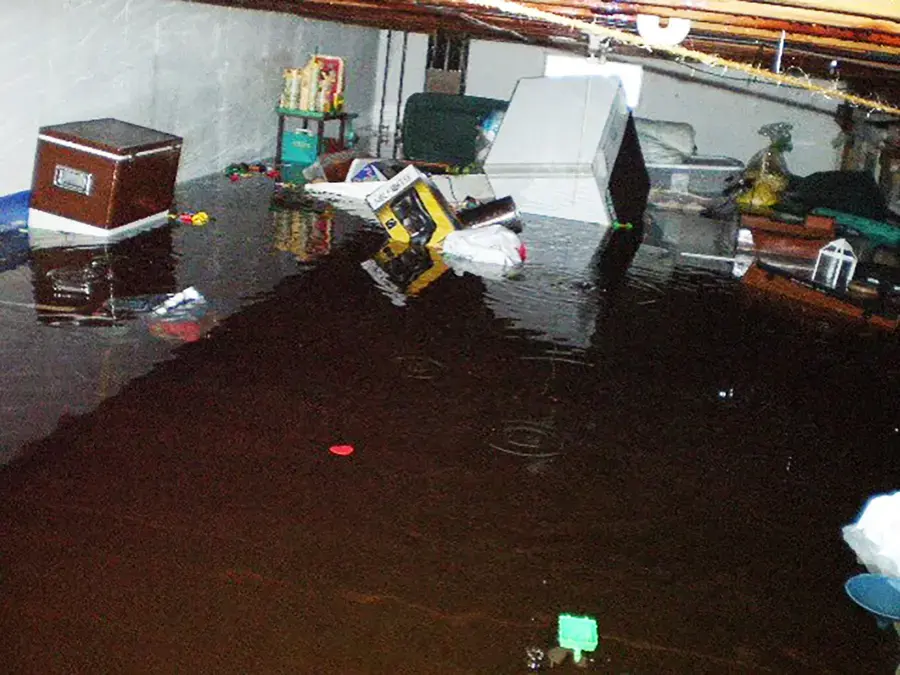 Basement Flooding CleanupPump-out, carpet removal, flood cuts and drying for finished lower levels in older homes, with daily moisture readings.How it gets handled
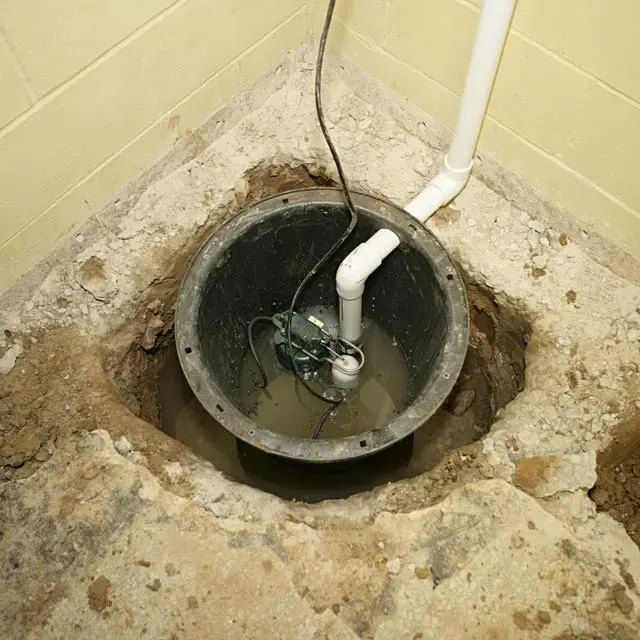 Sump Pump Failure CleanupA failed sump pump floods the slab, so the crew pumps out, measures wet walls and dries the basement.How it gets handled
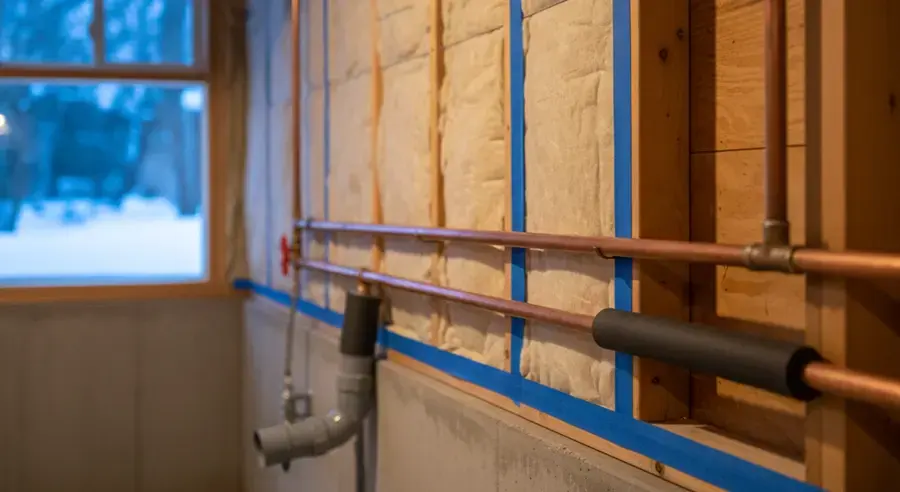 Frozen Pipe Water DamageThawed pipes can pour water inside walls and ceilings, so the wet cavity is opened, extracted and dried.How it gets handled
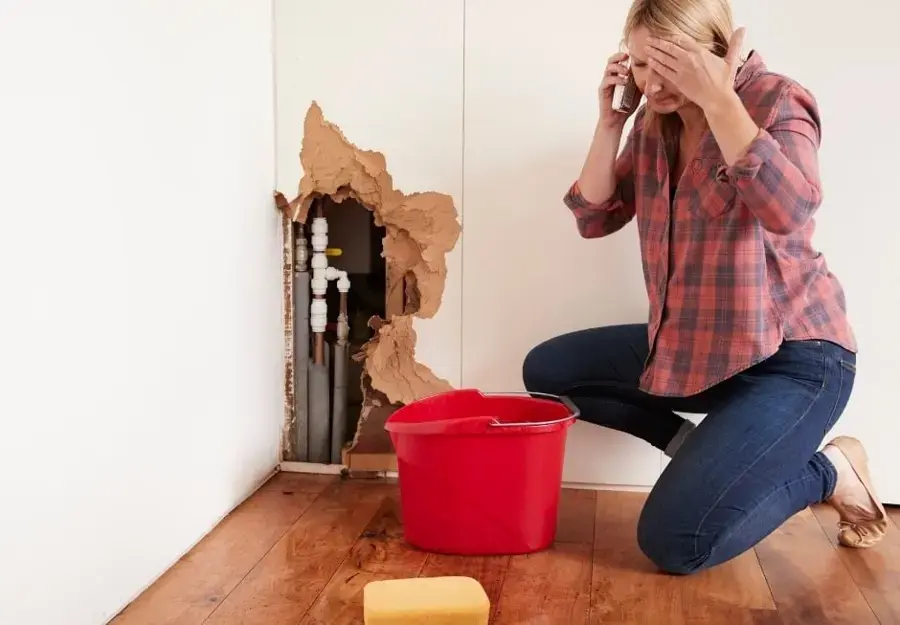 Burst Pipe Water DamageBurst supply pipes soak floors and ceilings fast, so the right wall is opened and dried end to end.How it gets handled
 Sewage Backup CleanupBackups through cracked clay laterals or floor drains are contained, removed and treated before any rebuilding starts.How it gets handled
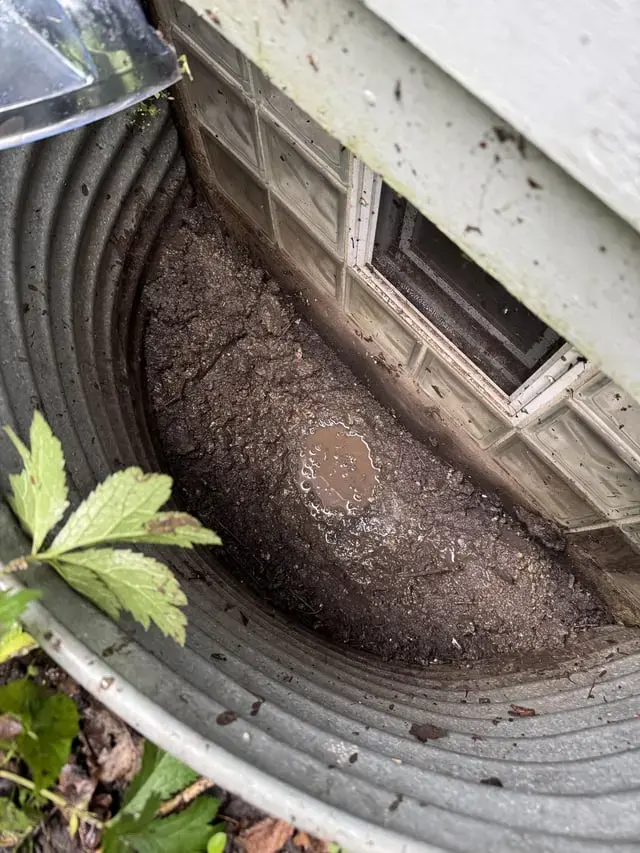 Storm and Flood Water CleanupHeavy rain that overwhelms window wells and foundation walls is pumped out and the soaked lower level dried.How it gets handled
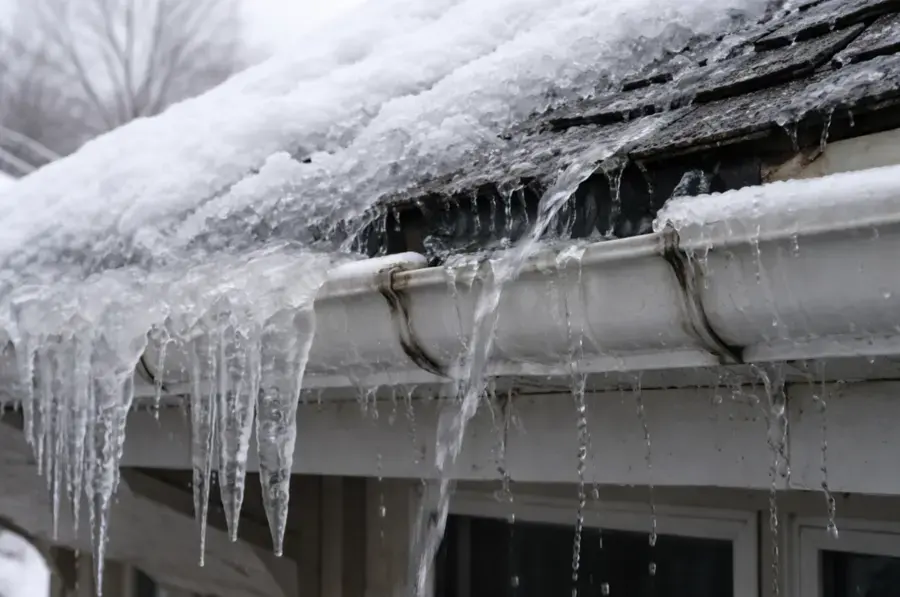 Ice Dam and Roof Leak Water DamageMeltwater backed under shingles stains ceilings and soaks attic insulation, so wet layers are removed and dried.How it gets handled
 Ceiling Leak Water DamageA sagging or stained ceiling is traced to its source, opened where needed and dried above and below.How it gets handled
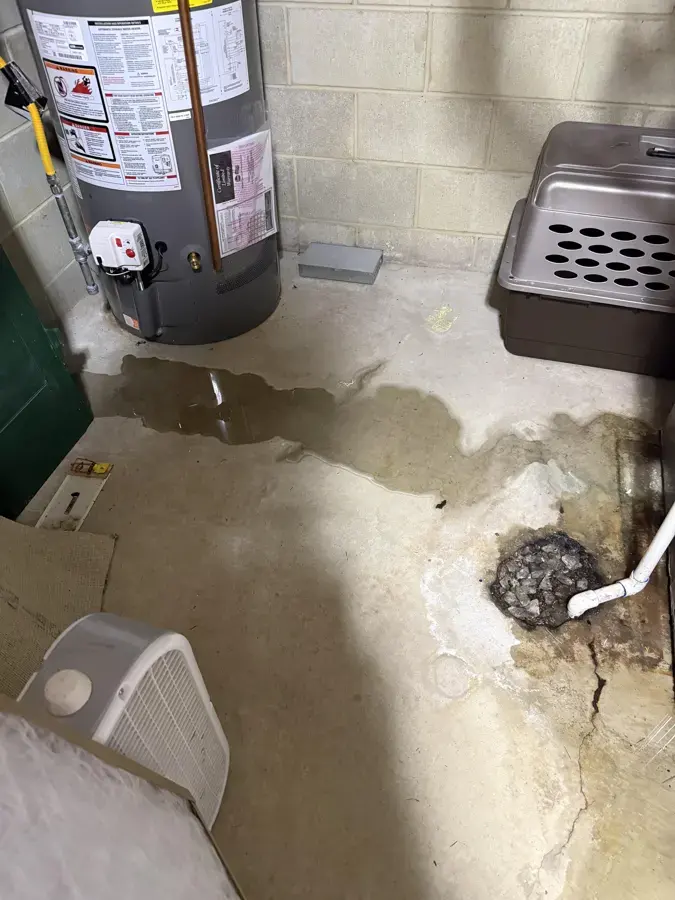 Water Heater Leak CleanupA split tank in a utility closet or basement floods fast, so extraction starts on the slab and nearby walls.How it gets handled
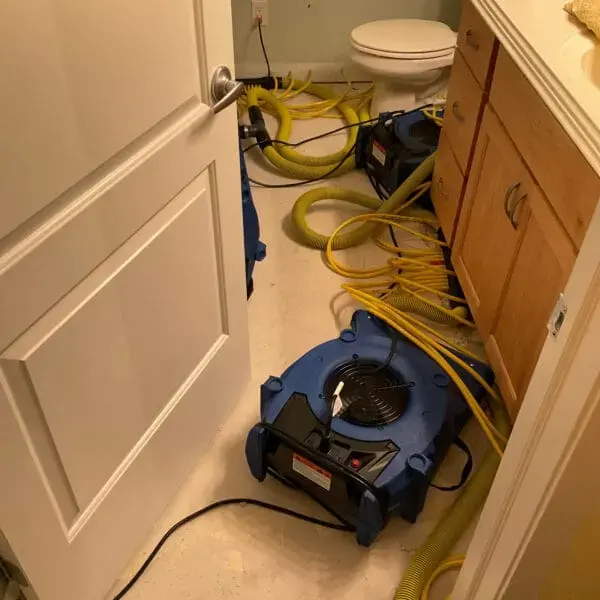
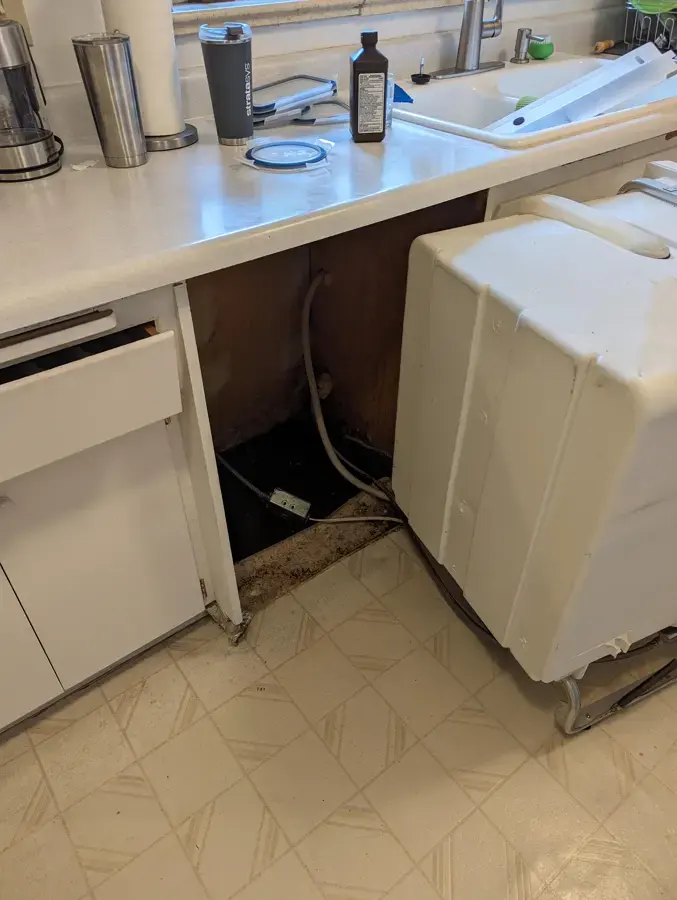 Appliance and Supply Hose LeaksWasher hoses and dishwasher supplies leak into flooring and cabinets, which are dried before damage spreads.How it gets handled
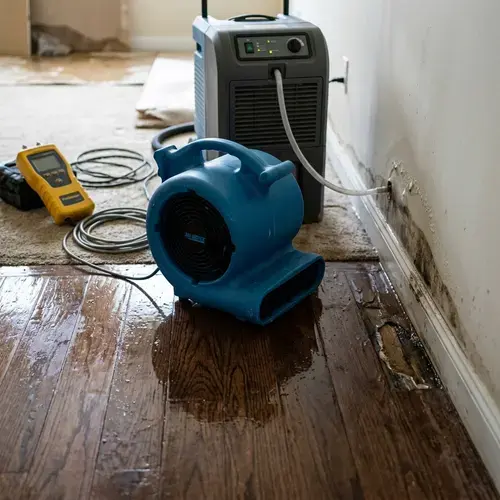
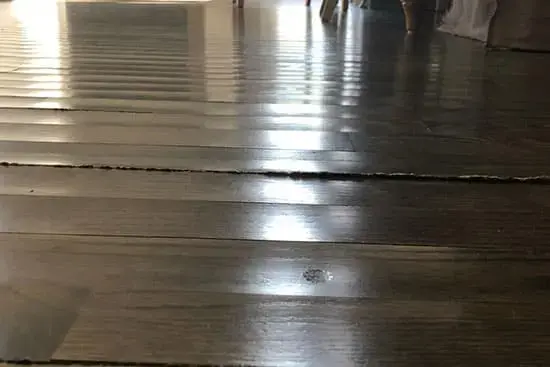 Hardwood Floor Water DamageCupped or crowned boards are metered and dried in place with mats when the wood can be saved.How it gets handled
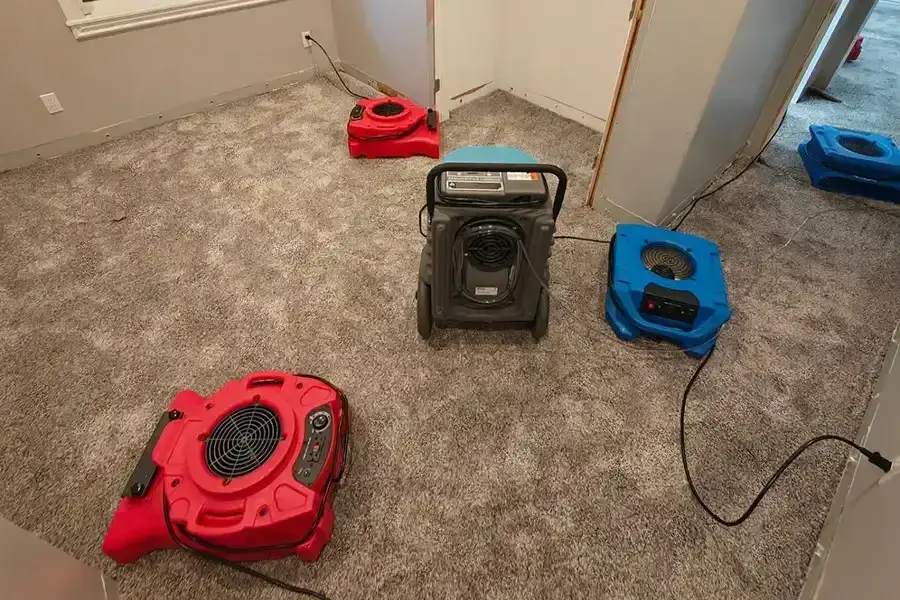
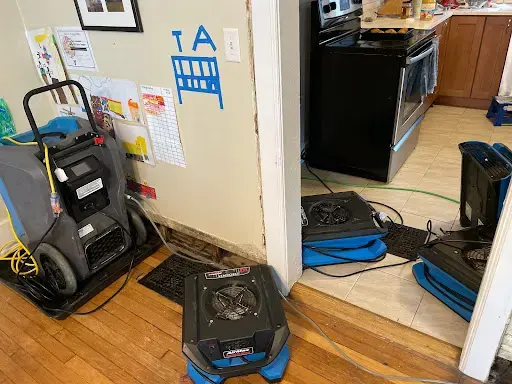
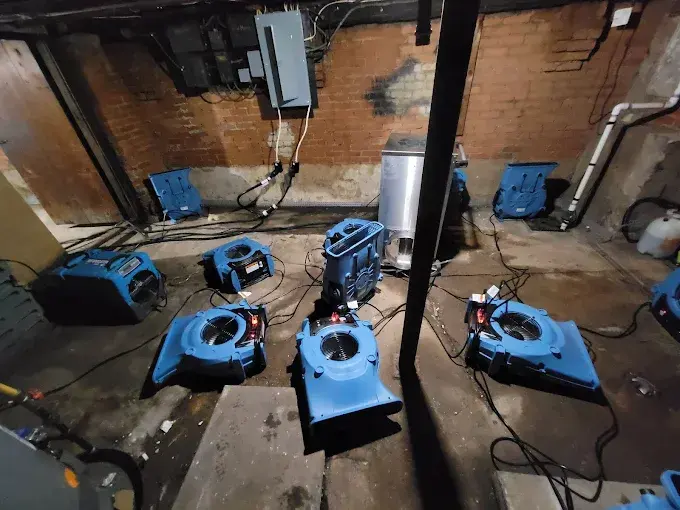 Structural Drying and DehumidificationFraming, subfloor and block walls are dried with LGR dehumidifiers and air movers until readings reach the dry reference.How it gets handled
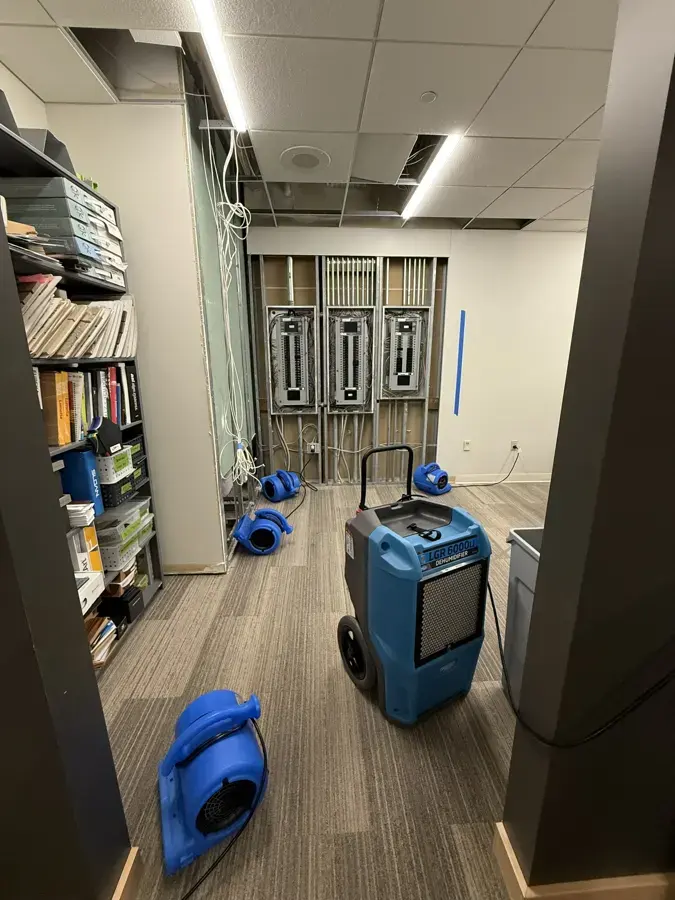 Commercial Water DamageShops, restaurants and apartment buildings are dried in phases so tenants and doors can keep operating.How it gets handled
Not sure which service fits your water problem?
Describe what is wet and where it started, and the dispatcher routes the call to the right crew and equipment.
Describe your water lossRestoration for the older homes around Reeds Lake and Gaslight Village
East Grand Rapids is a city in Kent County with its own administration, wrapped around Reeds Lake and Fisk Lake. The city reports an average home build year of 1946, so older plumbing and old sewer laterals are common sources of loss. Gaslight Village on Wealthy Street holds the main business district for shops and restaurants.
Crews here dry basements, crawl spaces and finished floors, working from moisture readings instead of guesses. Each job ends with logs an adjuster can read, and structural drying continues until walls reach the dry reference.
- Basement pump-out, flood cuts and full drying
- Sewer backup cleanup with antimicrobial and HEPA scrubbing
- Moisture logs an adjuster can follow
A measured drying process built on IICRC S500
- 1
Map the moisture
A meter and thermal camera trace water through walls, subfloors and block so every wet surface is marked before work begins.
- 2
Extract the water
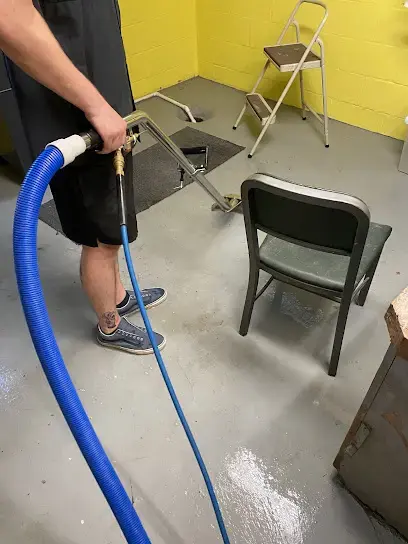
Truck-mounted and portable units remove standing water first, then carpet and pad are pulled when they cannot be dried.
- 3
Set the dryers
LGR dehumidifiers and air movers are placed by room volume and wet area, then adjusted as readings change each day.
- 4
Confirm dry standard
Equipment stays until materials match a dry reference reading, and the final log goes to the homeowner and the adjuster.
Why East Grand Rapids owners call a local crew
Rapid local response
Dispatch answers around the clock, and the crew heads to the job with extraction gear already loaded for basements and crawl spaces.
IICRC S500 method
Work follows the IICRC S500 standard for water damage, including water categories, drying classes and documented dry goals on every job.
Claim-ready documentation
Moisture readings, photos and equipment logs are kept per room so an insurance adjuster can follow the loss from start to finish.
Older-home know-how
Homes with an average build year of 1946 often hide aging plumbing and old sewer laterals, so the crew plans drying around them.
What water damage restoration costs in East Grand Rapids
Cost follows how much is wet, how long it sat and whether the water was clean or contaminated. Small clean losses sit near the low end, while finished lower levels and sewage cases climb quickly. A written scope comes after moisture readings and a walkthrough of each wet room.
Contained clean loss
- One wet room from a clean source
- Extraction and air movers
- Short monitored dry-out
Finished lower level
- Carpet pad and baseboards out
- Flood cuts where wet
- LGR drying for days
Contaminated or large loss
- Sewage or storm water
- Containment and removal
- Extended drying and logs
Final pricing depends on the scope found on site, and an adjuster may cover part of it. Ask the dispatcher what to photograph before work starts.
Match the response to the type of water
Clean water
Supply pipe and tank failures start clean but turn gray fast, so wet drywall and padding are handled quickly.
Burst pipe water damageGray water
Washer and dishwasher leaks carry soap and soil, so flooring and cabinet bases are dried and cleaned.
Appliance leak water damageBlack water
Sewage and rising storm water carry bacteria, so porous materials are removed and the area is contained.
Sewage backup cleanupDocumentation for your insurance claim
- Photos and video of every wet room
- The date and time the water was first found
- The source of the water and repairs made
- List of damaged belongings with rough values
- Moisture readings and equipment logs
- Receipts for emergency repairs and hauling
Under Public Act 222 of 2001, the owner pays for sewer backup cleanup unless the act's liability standards are all met, so ask your insurer about a sewer backup coverage rider before any loss.
Drying work in East Grand Rapids homes and businesses
East Grand Rapids neighborhoods and corridors covered
Crews work across the city, from the Reeds Lake shoreline to Gaslight Village and the streets along Lakeside Drive.
East Grand Rapids ZIP codes
Calls from ZIP codes 49506 and 49546 reach the same dispatch, which confirms the loss details before sending a crew to the job.
Nearby cities
Around Gaslight Village
- Gaslight Village
- Wealthy Street
- Lovett Avenue
- D&W Fresh Market
Reeds Lake shore
- Reeds Lake neighborhood
- Lakeside Drive
- Lake Drive
- Reeds Lake Boulevard
Fisk Lake side
- Fisk Lake
- Silver Creek
- Lakewood Hills Apartments
Water damage crews are dispatched across the whole city
Dispatch covers the full city, including streets near Wealthy Street, Lakeside Drive and the Reeds Lake shoreline. Describe the loss and the right crew and equipment are planned. A sewage backup gets a crew trained in containment.
Start a water damage call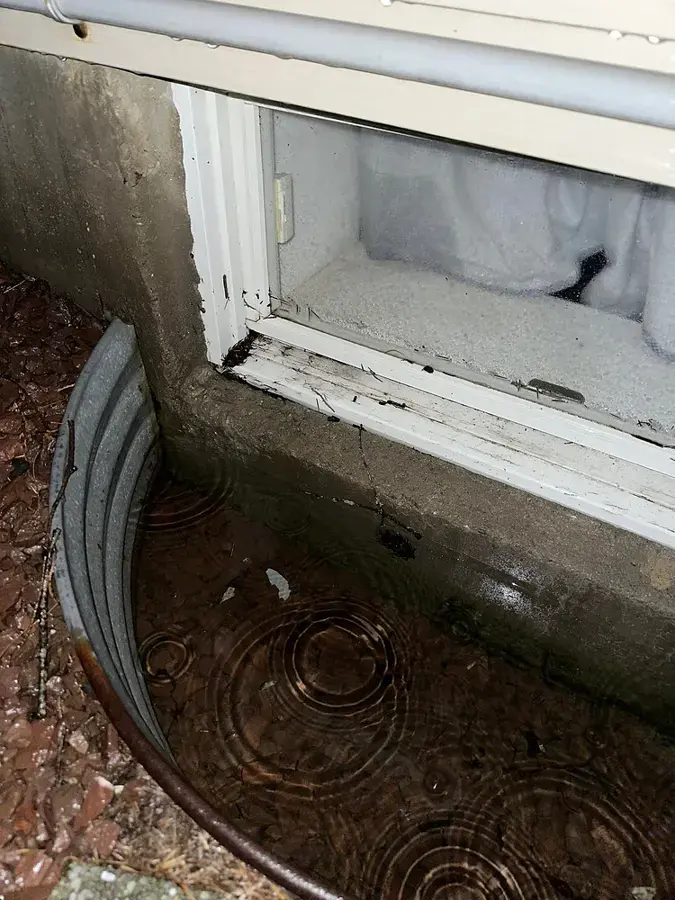
What has flooded and failed around East Grand Rapids
Dated events and city notices point to four recurring water problems in East Grand Rapids.
- Reeds Lake Boulevard has flooded since the 1930s, and heavy rain in January 2026 flooded it again.
- A water main break on February 25, 2014 near Wealthy Street and Gladstone Avenue flooded Wealthy Street and affected Woodmere Avenue and Norwood Avenue.
- The city says many homes have old sewer laterals made of clay that can crack, break and leak easily.
- Storm sewers are separate from sanitary sewers and empty into Reeds Lake, Fisk Lake or the Silver Creek Drain, which drains to the Grand River.
Water damage questions in East Grand Rapids
Q01What should I do first when my basement floods?
Stop the source if you can, keep out of standing water near outlets, photograph the damage and call dispatch. Early extraction protects carpet, pad and framing, so avoid waiting for the water to drain on its own.
Q02Who pays for a sewer backup in East Grand Rapids?
Public Act 222 of 2001 makes the owner responsible for cleanup whether the blockage is in a city main or a private lateral, unless every liability standard in the act is met. A sewer backup rider on a home policy may cover it.
Q03Why do older homes here have sewer backup trouble?
The city reports many old sewer laterals made of clay that crack, break and leak easily. A plumber can inspect the lateral, and the city requires a permit for any lateral work, so repairs need that paperwork first.
Q04Can a backflow device stop sewage from coming back?
The city recommends a sanitary sewer backflow prevention device. Footing drains tied to the sanitary lateral must be disconnected before one is installed, so a plumber should check the setup.
Q05Who is responsible for a leak outside the house?
If the leak is on the property side of the water service, the owner is responsible, and a city permit is required to repair or replace the water service. Restoration covers the water damage inside.
Q06Where is the water shutoff in my house?
City water meters are typically located in basements, crawl spaces or utility closets, so the main valve is usually near the meter. Learn its spot before an emergency.
Q07Does heavy rain near Reeds Lake cause basement water?
Storm water drains into Reeds Lake, Fisk Lake or the Silver Creek Drain, and heavy rain has flooded Reeds Lake Boulevard before. When rain reaches a basement, extraction and drying should begin quickly.
Q08Can shops in Gaslight Village be dried while open?
Commercial crews can dry shops and restaurants in Gaslight Village, apartment buildings and school buildings in phases, using containment so open areas can keep operating.
Q09How long does structural drying take?
Drying length depends on the materials and the drying class. Basement block and old framing dry slower than carpet, so the crew tracks readings each day until they match a dry reference.
Q10Will my insurance cover the cleanup?
Coverage depends on the policy and the cause. Sudden pipe failures are often covered while sewer backup usually needs a rider, so call the insurer early and keep every photo and log.
Water in an East Grand Rapids home needs fast action
Standing water keeps spreading into framing and floors while a decision waits. Call dispatch, describe what is wet, and a crew plans extraction and drying around the loss.
(888) 612-9219Call about water damage