Basement Flooding Cleanup in East Grand Rapids, MI
A flooded basement in East Grand Rapids needs the water pumped out, wet carpet and drywall cut away and framing dried, with daily readings that show when the lower level is truly dry.
(888) 612-9219Get basement water out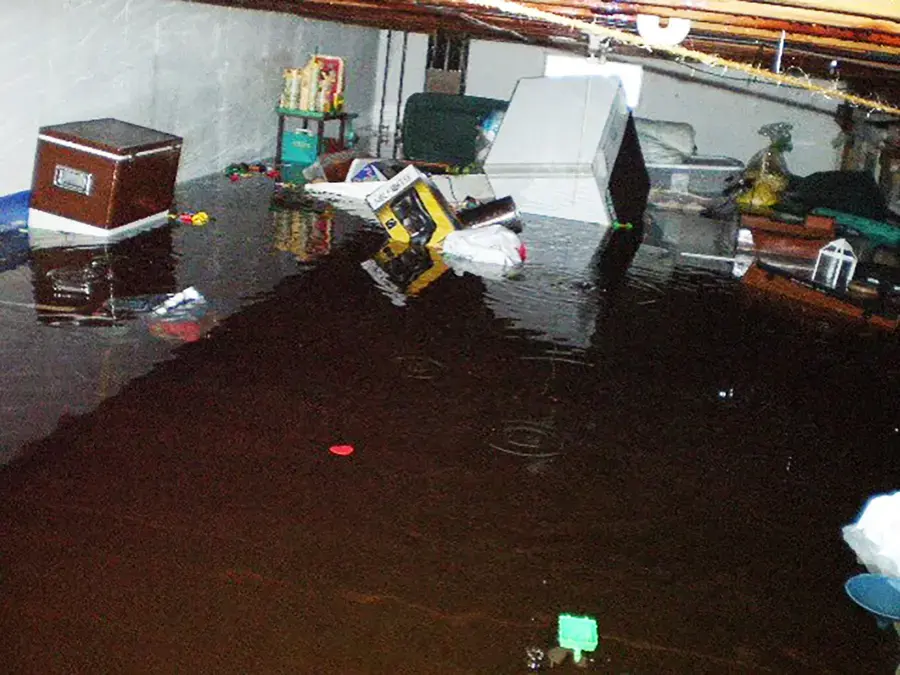
What to do right now about basement flooding cleanup in East Grand Rapids
East Grand Rapids homes average a 1946 build year, and city water meters typically sit in basements, crawl spaces or utility closets. A basement flood therefore reaches finished walls and mechanicals together. The cleanup begins with pump-out, then moves to removal and drying.
Stop the inflow
Close the main valve if a pipe is the source, and stay away from wet outlets.
Lift belongings
Move boxes, rugs and electronics onto dry shelves before pad and carpet soak through.
Document the loss
Photograph the water depth, wet walls and damaged items before cleanup begins.
Request pump-out
Describe the depth and finish level so the right equipment is sent.
How basement flooding cleanup is handled in East Grand Rapids, MI
Pump and measure
Extraction pulls the water out while meters map wet walls and the slab.
Remove the wet finishes
Pad, carpet and drywall that cannot dry are cut out and hauled away.
Dry the structure
LGR dehumidifiers and air movers run on the slab and lower framing.
Verify and release
Readings reach the dry reference and the logs go to the owner.
What does basement flooding cleanup cost in East Grand Rapids, MI?
Cost depends on whether the basement is bare or finished and on the water category. A bare slab costs the least, while finished space with carpet, drywall and contaminated water sits at the top of the ranges below.
Unfinished space
- Bare slab pumped dry and cleaned
- Slab and wall drying
- Daily moisture readings logged
Finished, clean water
- Carpet and pad hauled out
- Flood cuts and baseboards removed
- LGR units and air movers
Finished, contaminated
- Sewage or floodwater in the lower level
- Containment, PPE and air scrubbers
- Antimicrobial and extended drying
Ranges are typical, not a quote. For a planning number on your own loss, run the water damage cost calculator; the on-site walkthrough sets the real scope.
What gets cut and what stays
- Carpet and pad come out when water sat long enough to soak through.
- Drywall is cut above the visible wicking mark and the cavity behind it is dried.
- Concrete, framing and solid trim are cleaned and dried instead of removed.
The goal is to remove only what cannot dry, because tearing out sound materials adds cost and delay. Each cut is photographed and logged, which gives the adjuster a clear record of why a section was opened.
Footing drains and sewer connections
The city recommends a sanitary sewer backflow prevention device, and notes that footing drains tied to the sanitary lateral must be disconnected before one goes in. When a basement flood involves sewage, the work shifts to sewage backup cleanup with containment and protective gear.
Drying the slab and walls after cleanup
After removal, LGR dehumidifiers and air movers run against the slab and lower walls while the crew rechecks readings each day and adds or moves equipment. A finished basement with wet framing can take many days to reach the dry reference, so structural drying is monitored until the numbers settle, not until a set day count ends.
How basement flooding cleanup gets done to standard
Rapid local response
Wyoming water damage pros run 24/7 dispatch, and the response team treats standing water as urgent at any hour, holidays included.
IICRC S500 drying standard
The drying team follows IICRC S500, the industry drying standard: moisture mapping first, then structural drying, not just surface drying.
Claim-ready documentation
Each loss gets a moisture map, daily readings and timestamped photos, the file an adjuster reads before deciding a claim.
West Michigan water know-how
Block basements, sump pits, floor drains, frozen pipes and ice dams: local water damage experts know how water moves through a Kent County house.
Basement flooding cleanup across East Grand Rapids and nearby communities
Basement cleanup calls come in from across East Grand Rapids, from older houses near Reeds Lake and Fisk Lake to streets around Lovett Avenue and Lake Drive, in ZIP codes 49506 and 49546.
The same service nearby: basement flooding cleanup in Wyoming, Grand Rapids, Kentwood.
Related water damage services in East Grand Rapids
Basement Flooding Cleanup questions in East Grand Rapids, MI
Q01How is a flooded finished basement different from a bare one?
Finished space hides water behind carpet, trim and drywall, so more openings and more equipment are needed. A bare slab mostly needs pumping, cleaning and drying.
Q02Why do footing drains matter after a flood?
The city notes that footing drains connected to the sanitary lateral are a backup concern, so a plumber should check the connection before the lower level is rebuilt.
Q03Is a flooded basement dangerous to enter?
It can be. Water near outlets, panels or appliances risks shock, and sewage carries bacteria, so the power is shut off and protective gear is used.
Q04How long does a basement take to dry?
Drying time depends on how much water entered and how many finished materials were wet. Readings each day decide the answer, and equipment stays until walls match the dry reference.
Q05What should be photographed before cleanup starts?
Capture the water depth, each wet room, damaged belongings and the source of the water, because early images support the claim once items are removed.
Q06Does homeowner insurance cover a flooded basement?
Coverage depends on the cause. Sudden pipe failures are often covered, while seepage and sewer backup need specific riders, so the policy should be checked early.
A flooded basement cannot wait
Water keeps wicking into walls and framing while it sits. Call dispatch to start pump-out and a drying plan built on readings.
(888) 612-9219Start basement cleanup