Basement Flooding Cleanup in Grand Rapids, MI
Flooded basements in Grand Rapids call for pump out, removal of wet finishes and drying that follows readings, whether the water came from rain, a sump pump or a backed up drain.
(888) 612-9219Get basement flood help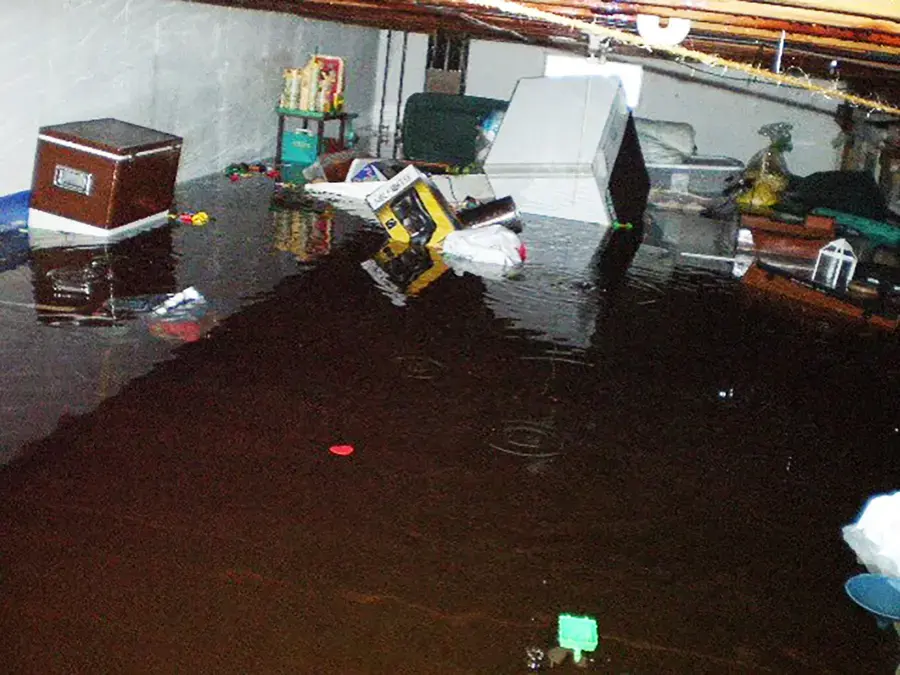
What to do right now about basement flooding cleanup in Grand Rapids
A basement floods for different reasons, and the reason changes the plan. The city says footing drains tied to the sanitary sewer cause basement sewer backups in many areas, while heavy rain and a failed pump bring groundwater and runoff. The crew identifies the source and water category before any pump is started.
Cut the power
Switch off breakers to the basement before anyone steps into standing water.
Stay out of black water
If the water smells of sewage, keep family and pets upstairs.
Lift valuables up
Move rugs, boxes and electronics out of reach of rising water.
Photograph before moving
Capture water marks on walls, the sump pit and ruined items.
How basement flooding cleanup is handled in Grand Rapids, MI
Clear the slab
Pumps and wet vacuums take the water down to bare concrete.
Strip wet finishes
Carpet, pad and lower drywall come out where readings show wet material.
Dry the shell
Dehumidifiers and air movers work the slab, block and framing until readings level out.
Clean and verify
Surfaces are cleaned, final readings are logged and a drying report is handed over.
What does basement flooding cleanup cost in Grand Rapids, MI?
Basement flood cleanup ranges from $2,500 for a bare slab to $20,000 or more for a finished level with sewage. Depth, finishes and water category move the price most. A written estimate follows the walkthrough.
Unfinished space
- Slab and sump pit pump out
- Block walls and slab dried
- Moisture records every visit
Finished, clean water
- Carpet and pad hauled out
- Baseboards and flood cuts
- Dehumidifiers and air movers
Finished, Category 3
- Sewage or river water
- Containment and gear
- Antimicrobial and full drying
Ranges are typical, not a quote. For a planning number on your own loss, run the water damage cost calculator; the on-site walkthrough sets the real scope.
What gets removed
- Wet carpet and pad, usually cut into strips and hauled up the stairs
- Baseboards and the bottom of drywall, cut above the wet mark
- Stored boxes and soaked contents moved to dry space for sorting
Concrete and block walls are not torn out, since they dry in place with dehumidifiers and air movers. Framing behind finished walls is opened only where readings show water. A failed pump gets its own plan under sump pump failure cleanup.
Why the source matters
Clean rainwater and groundwater can often be dried with the finishes cut back, but sewer water cannot. When sewage is involved, the job moves to sewage backup cleanup procedures with containment and removal of porous goods. That call is made at the start and recorded.
Drying the lower level
After the pump out, dehumidifiers pull moisture from the air and concrete while air movers keep air moving over the walls. Readings are taken every visit, and equipment comes out only when the numbers match dry reference points on unaffected areas.
How basement flooding cleanup gets done to standard
Rapid local response
Wyoming water damage pros run 24/7 dispatch, and the response team treats standing water as urgent at any hour, holidays included.
IICRC S500 drying standard
The drying team follows IICRC S500, the industry drying standard: moisture mapping first, then structural drying, not just surface drying.
Claim-ready documentation
Each loss gets a moisture map, daily readings and timestamped photos, the file an adjuster reads before deciding a claim.
West Michigan water know-how
Block basements, sump pits, floor drains, frozen pipes and ice dams: local water damage experts know how water moves through a Kent County house.
Basement flooding cleanup across Grand Rapids and nearby communities
Basement calls come from the Westside, Garfield Park, Eastgate, Ottawa Hills and Ridgemont, plus ZIP codes 49504, 49505 and 49508, as well as the rest of Kent County, from flat valley blocks to hillside streets.
The same service nearby: basement flooding cleanup in Wyoming, East Grand Rapids, Walker.
Related water damage services in Grand Rapids
Basement Flooding Cleanup questions in Grand Rapids, MI
Q01Is basement flooding always a sewer problem?
No. Rain, groundwater and a failed pump flood basements too. The city does link footing drains tied to the sanitary sewer to backups in many areas, so the source is confirmed first.
Q02How long does a basement take to dry?
Concrete and block hold moisture, so drying often runs several days, longer for finished spaces with thick carpet pad or insulated walls. Daily readings decide when equipment leaves.
Q03Will finished walls have to come out?
Only where readings show water. Drywall above the wet mark is often left, and cuts are made a few inches above the highest moisture.
Q04Can the basement be cleaned after river or storm water?
Yes, with care. That water is treated as contaminated, so porous materials are removed and hard surfaces are cleaned and treated before drying. See storm and flood water cleanup.
Q05What should be saved from the basement?
Photograph everything before moving it, keep damaged items until the adjuster has looked, and bring dry electronics and papers upstairs.
Q06Does the work include repairs?
The crew handles water removal, drying and documentation. Rebuilding drywall, flooring and paint is usually done by a separate contractor afterward.
A flooded basement cannot wait
Call dispatch, give the water depth and source, and a crew is sent to start the pump out and the readings.
(888) 612-9219Book a pump out