Storm and Flood Water Cleanup in Grand Rapids, MI
Heavy rain and a rising Grand River have flooded Grand Rapids before, and storm water brings mud, debris and contamination that call for removal, cleaning and careful drying.
(888) 612-9219Call for storm water cleanup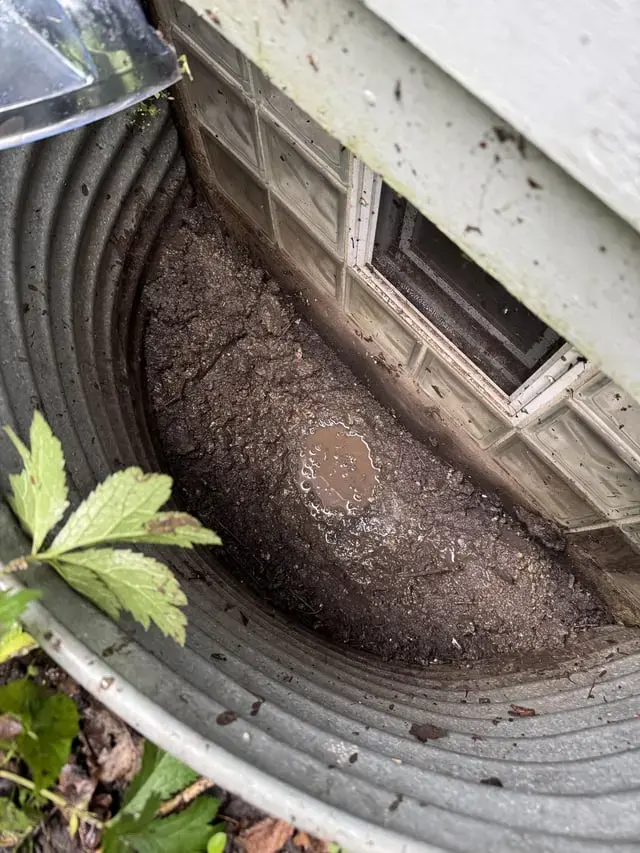
What to do right now about storm and flood water cleanup in Grand Rapids
The Grand River flooded in 1904, when 14,000 people were displaced, and again in April 2013, when it crested at 21.85 feet. Those events were river floods, but a heavy storm can also push runoff into window wells, stairwells and low basements.
Stay out of the water
Flood water can hide debris and live electrical hazards.
Shut off power
Switch off breakers for flooded areas only when the panel is safe to reach.
Lift essentials
Move papers, medications and electronics to higher ground.
Photograph everything
Record the water, the debris and every damaged item for the claim.
How storm and flood water cleanup is handled in Grand Rapids, MI
Make safe
Hazards are checked and the water category is recorded first.
Remove
Water, mud and wet materials come out in stages.
Clean and treat
Surfaces are washed and an antimicrobial is applied.
Dry
Equipment runs and readings are logged until dry.
What does storm and flood water cleanup cost in Grand Rapids, MI?
Storm and flood cleanup commonly costs $3,000 to $25,000 or more. Depth, how long water stayed and the amount of mud and contents involved separate a small window well leak from a full basement loss.
Window well leak
- One area of the basement
- Cleaning and antimicrobial
- Slab and wall drying
Basement wide
- Carpet and drywall out
- Mud and debris hauled
- LGR and air movers
Deep or lingering water
- Full lower level tear out
- Contents removed
- Extended drying visits
Ranges are typical, not a quote. For a planning number on your own loss, run the water damage cost calculator; the on-site walkthrough sets the real scope.
Why storm water is treated as unsafe
Runoff crosses streets, yards and drains before it reaches a building, picking up soil and contaminants. Flood water is handled as category three, so porous materials are removed and surfaces are cleaned before drying starts.
Mud, debris and surfaces
- Silt and mud shoveled and vacuumed from the slab
- Carpet, pad and soaked drywall bagged for disposal
- Concrete and block cleaned, treated and left to dry
Plaster Creek and the Grand River shape drainage here, and a storage facility at Mary Waters Park holds 720,000 gallons of stormwater, but a heavy storm can still reach basements.
Drying afterward
Dehumidifiers and air movers go in once the debris is out. For a basement hit by flood water, the full process appears under basement flooding cleanup, and a failed pump during the storm is handled as in sump pump failure cleanup.
How storm and flood water cleanup gets done to standard
Rapid local response
Wyoming water damage pros run 24/7 dispatch, and the response team treats standing water as urgent at any hour, holidays included.
IICRC S500 drying standard
The drying team follows IICRC S500, the industry drying standard: moisture mapping first, then structural drying, not just surface drying.
Claim-ready documentation
Each loss gets a moisture map, daily readings and timestamped photos, the file an adjuster reads before deciding a claim.
West Michigan water know-how
Block basements, sump pits, floor drains, frozen pipes and ice dams: local water damage experts know how water moves through a Kent County house.
Storm and flood water cleanup across Grand Rapids and nearby communities
Storm calls come from Black Hills, Garfield Park, John Ball Park, Roosevelt Park and Monroe North, across ZIP codes 49504, 49506 and 49507, along with other Kent County neighborhoods, from the river valley to higher ground.
The same service nearby: storm and flood water cleanup in Wyoming, East Grand Rapids, Walker.
Related water damage services in Grand Rapids
Storm and Flood Water Cleanup questions in Grand Rapids, MI
Q01Is flood water ever clean?
Rarely. Once rain or river water crosses the ground it is treated as contaminated, so cleaning and removal rules apply.
Q02What did the April 2013 flood show?
The Grand River crested at 21.85 feet on April 21, the highest level recorded downtown, after record rain on April 18. It shows that river and rain flooding can both strike.
Q03Can wet carpet from a storm be saved?
Usually not, since flood water makes carpet and pad unsafe to keep. Hard floors and concrete are cleaned and treated.
Q04Is flood damage covered by insurance?
Standard homeowner policies often exclude flood, while sewer backup and water coverage vary. Read the policy and ask the insurer before work starts.
Q05How is the work different from a pipe leak?
Pipe leaks start as clean water, while storm water starts contaminated. That adds cleaning, treatment and more removal. See burst pipe water damage for the clean water case.
Q06Should I wait for the water level to drop?
Wait until it is safe, but start documenting. Extraction should begin as soon as access is safe, since materials keep absorbing.
Clear the mud and dry the lower level
Call dispatch, describe the water and the damage, and a crew is sent with pumps, cleaning supplies and drying equipment.
(888) 612-9219Send a flood crew