Storm Flood Cleanup in East Grand Rapids, MI
When heavy rain pushes water into window wells, stairwells or foundation walls, the crew pumps out the lower level, removes mud and debris and dries what the storm soaked.
(888) 612-9219Get storm flood help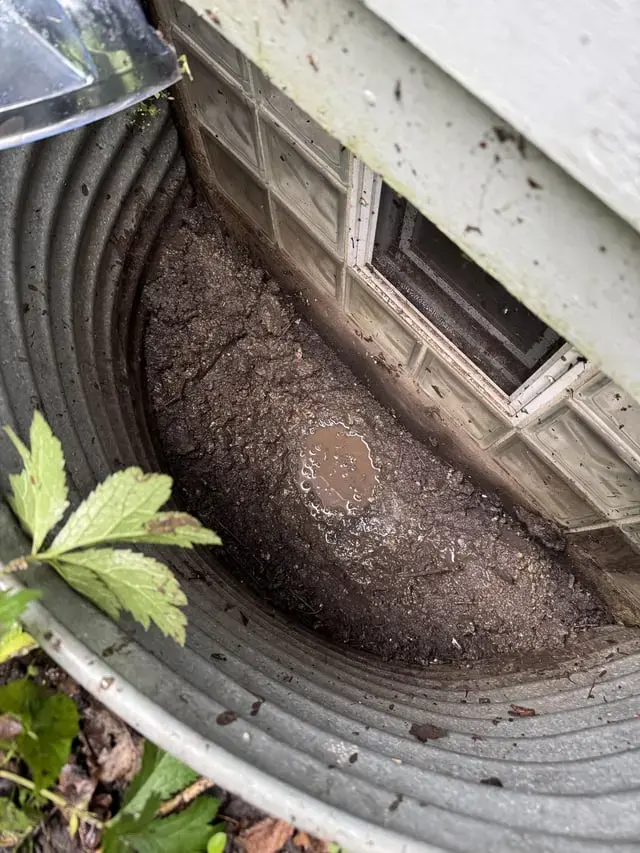
What to do right now about storm and flood water cleanup in East Grand Rapids
The storm sewer in East Grand Rapids is its own system, apart from the sanitary sewer, and it directs flow into Reeds Lake, Fisk Lake and the Silver Creek Drain, which carries water on to the Grand River. When rain outruns those outlets, water finds the low points around foundations.
Stay out of the water
Floodwater can hide electrical hazards and carry contamination.
Block more inflow
Clear gutters and downspout paths and cover window wells if safe.
Photograph the water
Capture the depth, the high-water mark and damaged belongings.
Request pump-out
Report the depth and what the water touched so the right crew is sent.
How storm and flood water cleanup is handled in East Grand Rapids, MI
Pump out the water
Pumps clear stairwells, slab and any pooled areas.
Haul mud and debris
Silt, soaked stored items and ruined materials are bagged and carried out.
Clean and treat
Surfaces that touched floodwater are cleaned and treated.
Dry and measure
Dehumidifiers run and daily readings track every wet surface.
What does storm and flood water cleanup cost in East Grand Rapids, MI?
Storm cleanup varies with how deep the water got, how long it stood and whether mud and sewage came with it. A window well leak costs the least, while whole-level flooding with debris sits at the top of the ranges below.
Window well or stairwell leak
- One basement area pumped out
- Surfaces cleaned and treated
- Slab and wall drying
Basement-wide water
- Carpet and drywall removed
- Mud and debris hauled out
- LGR units and air movers
Deep or long-standing water
- Full tear-out of the lower level
- Contents and furniture removed
- Extended drying with daily logs
Ranges are typical, not a quote. For a planning number on your own loss, run the water damage cost calculator; the on-site walkthrough sets the real scope.
Reeds Lake Boulevard as a warning sign
The Kent County Road Commission traces flooding on Reeds Lake Boulevard back to the 1930s and cites unstable soils, lake drainage and nearby development that reduced natural runoff areas. Heavy rain flooded it again in January 2026.
What gets removed
- Mud, silt and debris carried in by runoff
- Carpet, pad and drywall that sat in floodwater
- Stored boxes and soft goods that soaked it up
Floodwater is treated as contaminated, so porous materials are bagged out and surfaces are cleaned and treated. If the lower level also took sewage, the work follows sewage backup cleanup.
Drying after the pump-out
Once the water is out, LGR dehumidifiers and air movers run against the slab and lower walls. Daily readings set how long they stay, and basement flooding cleanup continues until every wet surface reaches the dry reference.
How storm and flood water cleanup gets done to standard
Rapid local response
Wyoming water damage pros run 24/7 dispatch, and the response team treats standing water as urgent at any hour, holidays included.
IICRC S500 drying standard
The drying team follows IICRC S500, the industry drying standard: moisture mapping first, then structural drying, not just surface drying.
Claim-ready documentation
Each loss gets a moisture map, daily readings and timestamped photos, the file an adjuster reads before deciding a claim.
West Michigan water know-how
Block basements, sump pits, floor drains, frozen pipes and ice dams: local water damage experts know how water moves through a Kent County house.
Storm and flood water cleanup across East Grand Rapids and nearby communities
Storm flood calls reach the whole city, including the Reeds Lake neighborhood, Lake Drive, Fisk Lake and the streets near Reeds Lake Boulevard, with ZIP codes 49506 and 49546 handled by one dispatch.
The same service nearby: storm and flood water cleanup in Wyoming, Grand Rapids, Kentwood.
Related water damage services in East Grand Rapids
Storm and Flood Water Cleanup questions in East Grand Rapids, MI
Q01Is storm water in a basement contaminated?
Usually yes. Runoff picks up soil, debris and other contaminants on its way in, so it is treated as contaminated and porous materials are removed.
Q02Why does Reeds Lake Boulevard keep flooding?
Lake drainage and unstable soils play a part, and the road has flooded since the 1930s. During a flood it closes to through traffic but stays open to residents and emergency vehicles.
Q03Can a flooded window well lead to basement water?
Yes. A well that fills with rain or melt can overflow into the stairwell or seep through the wall, which puts water on the slab even when the rest of the yard stays dry.
Q04Does homeowner insurance cover flood water?
Standard homeowner policies often exclude surface flooding, so separate flood coverage matters. The insurer should be contacted early, and photos and moisture logs support whichever claim applies.
Q05How is flood water cleanup different from a pipe leak?
Flood water carries soil and contaminants, so more materials are discarded and surfaces are treated. A clean pipe leak often lets more materials dry in place.
Q06How long does a storm-soaked basement take to dry?
Readings taken each day tell the crew when equipment can be pulled out.
Storm water needs fast cleanup
Floodwater carries soil into every material it touches, and the longer it sits the more has to be removed. Call dispatch to plan pump-out and drying.
(888) 612-9219Start storm cleanup