Water Damage Restoration Walker, MI
Pump-out, drying and documentation for Walker homes and businesses, from a basement flooded after heavy rain to a pipe that split behind a wall, handled around the clock.
(888) 612-9219Call for Walker water removal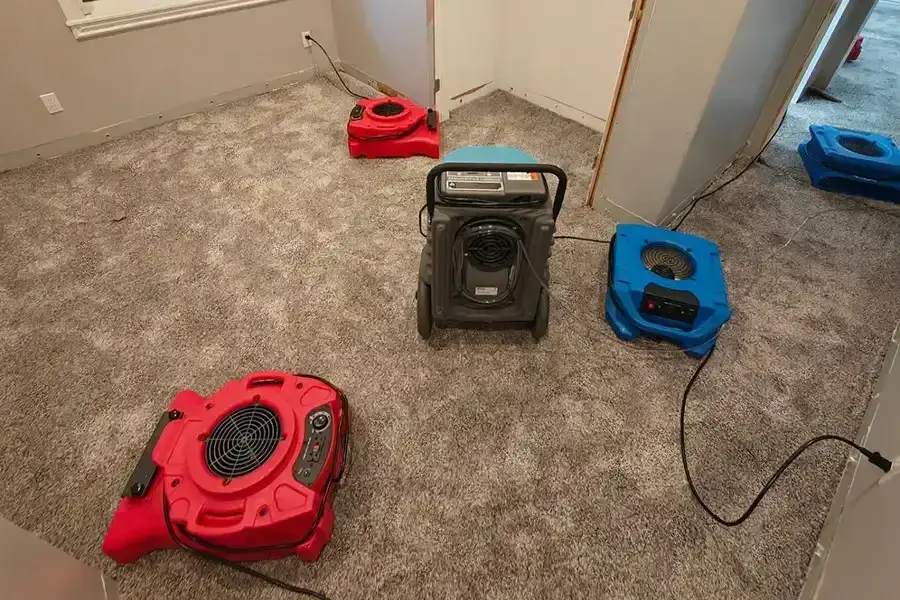
What to do in the first moments of a leak
Stop the source
Close the main valve or the fixture stop, and stay clear of standing water near outlets and panels.
Check the power
Turn breakers off only from a dry spot, and keep clear of the panel if it is damp or sparking.
Record the damage
Photograph wet floors, walls and belongings before anything moves, and note when the water started and what caused it.
Call for pump-out
Call dispatch with the water source and affected rooms, then lift small valuables onto dry shelves.
Water damage services in Walker, Michigan
Each service page covers one kind of water problem Walker properties run into, from a split supply pipe to river-fed flooding and sewage in the basement.
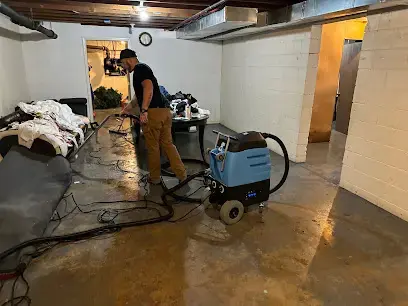 Water Extraction and RemovalPumps and extractors pull standing water off slabs, carpet and hard floors before it wicks into walls.How it gets handled
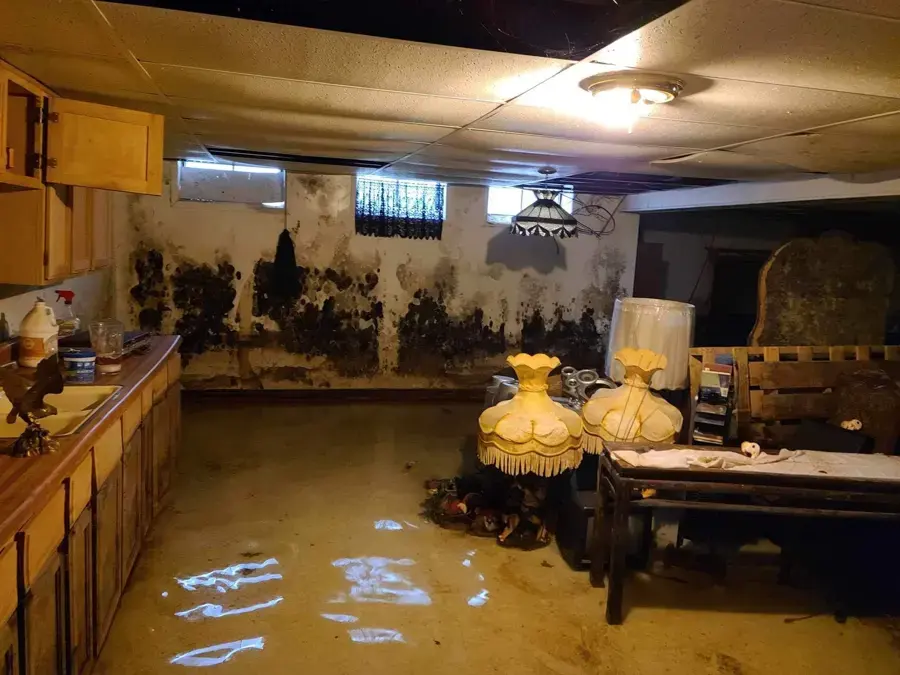
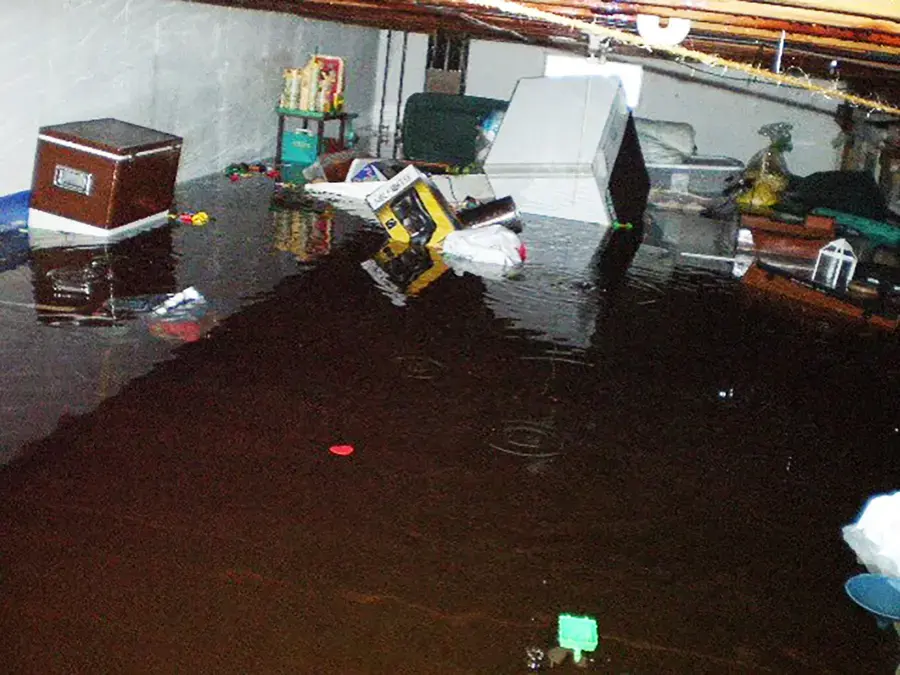 Basement Flooding CleanupFlooded lower levels get a pump-out, wet carpet and drywall removed, and a full dry-down of slab and walls.How it gets handled
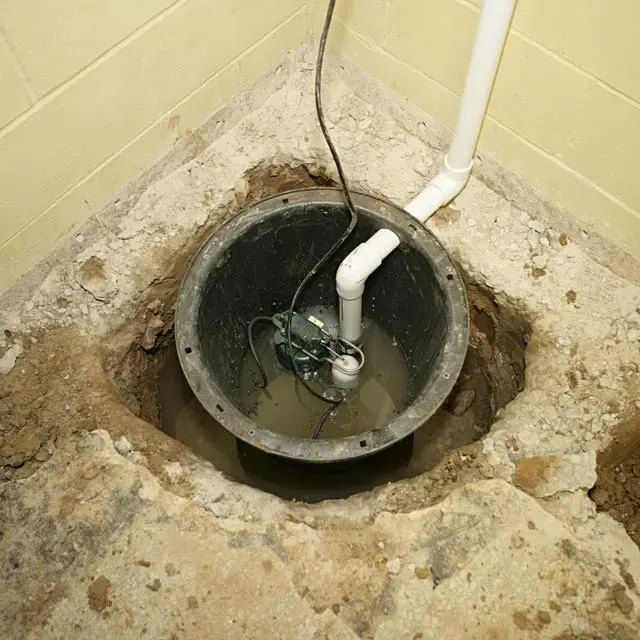 Sump Pump Failure CleanupA failed sump pump lets the pit overflow in heavy rain, so the water is removed and the basement dried.How it gets handled
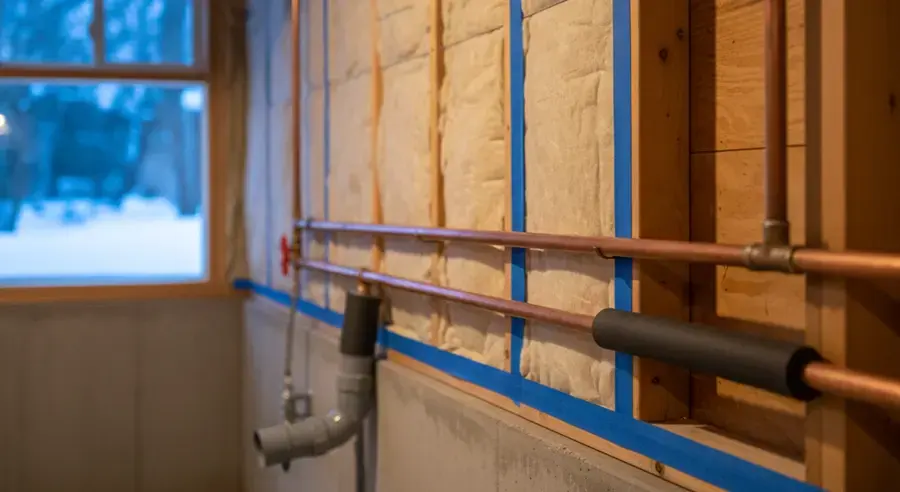 Frozen Pipe Water DamageMichigan freeze and thaw cycles split exposed pipes, and the flood arrives when the ice melts.How it gets handled
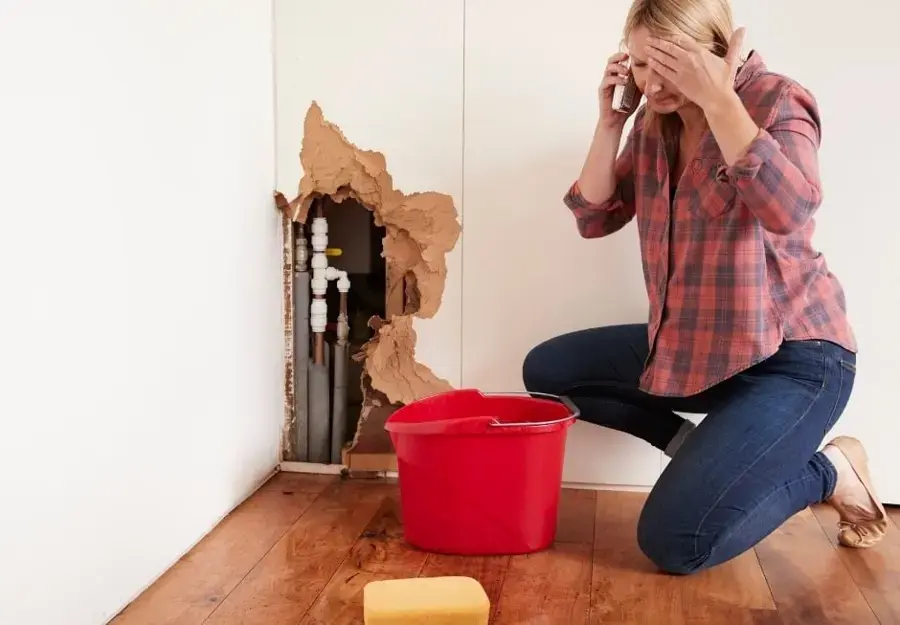 Burst Pipe Water DamageA burst supply pipe soaks walls, ceilings and floors fast, so the water is pulled out and the cavities dried.How it gets handled
 Sewage Backup CleanupSewage backups call for protective gear, containment, removal of porous materials and antimicrobial treatment.How it gets handled
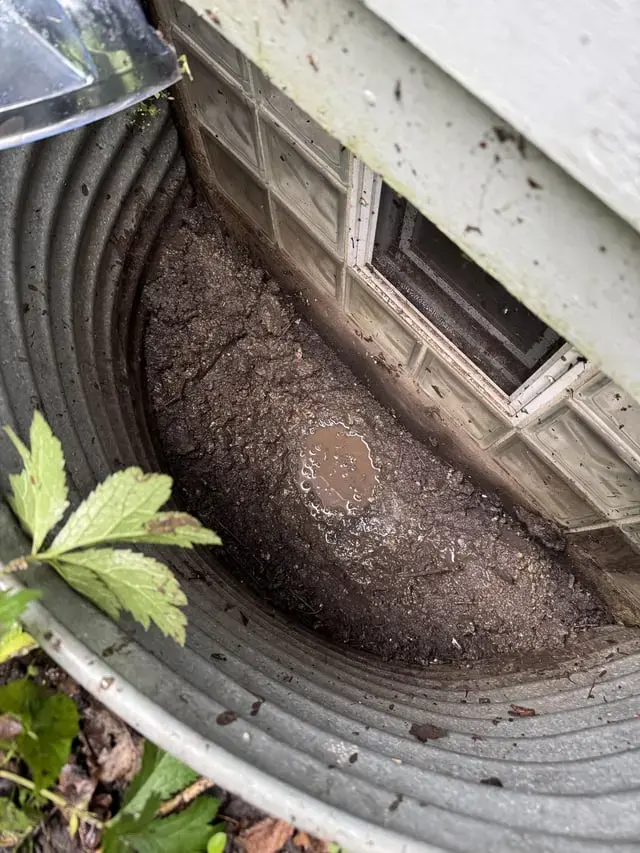 Storm and Flood Water CleanupStorm runoff and Grand River rise can fill window wells and basements, leaving mud and debris to clear.How it gets handled
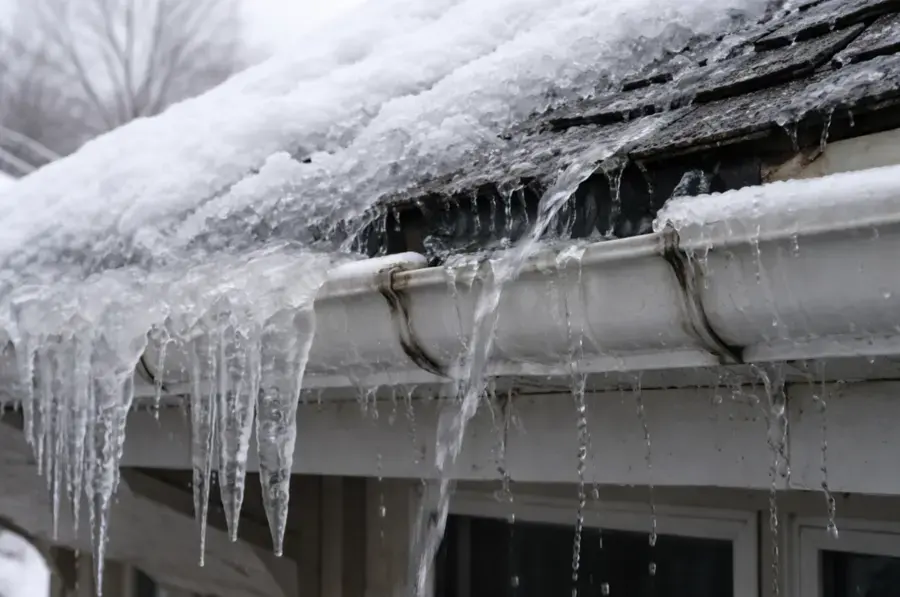 Ice Dam and Roof Leak Water DamageMeltwater backing up under shingles soaks attic insulation and ceilings, so the wet layers are opened and dried.How it gets handled
 Ceiling Leak Water DamageA stained or sagging ceiling hides wet insulation above it, and in apartments the leak can reach the unit below.How it gets handled
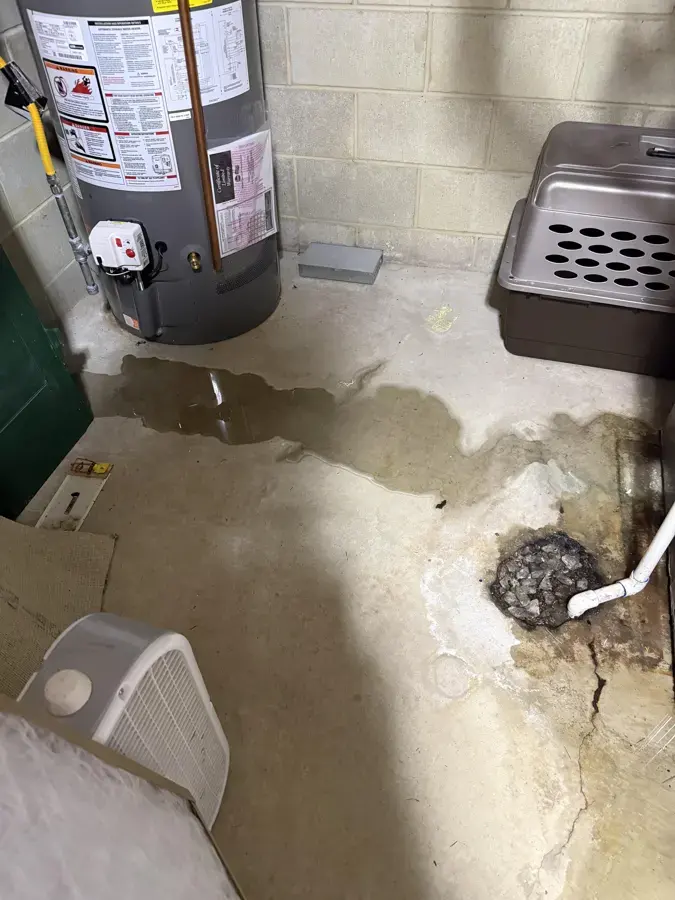 Water Heater Leak CleanupA leaking tank floods a utility room fast, and the water spreads under walls into finished rooms nearby.How it gets handled
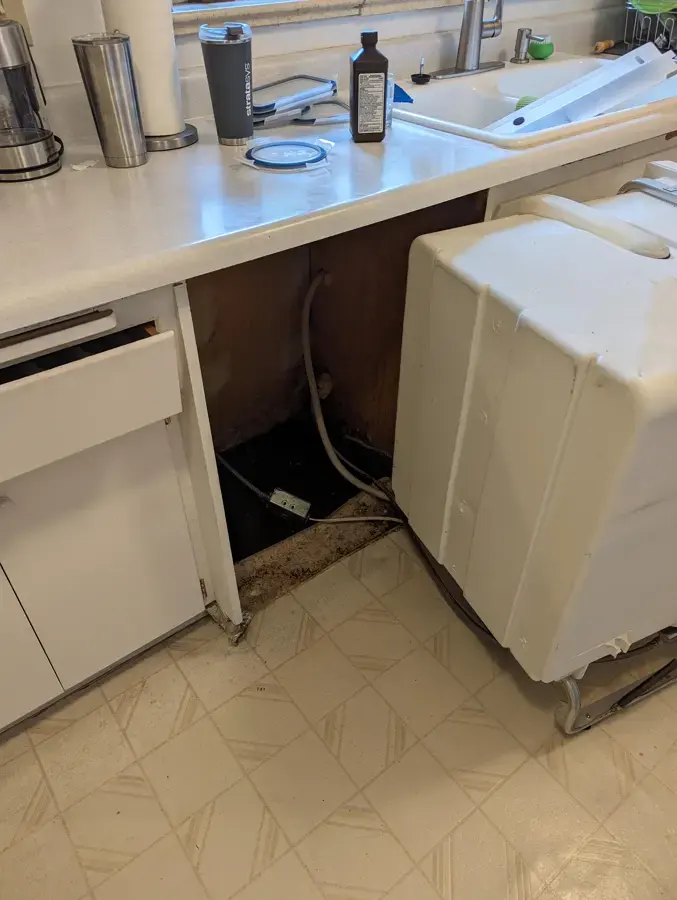 Appliance and Supply Hose LeaksWasher, dishwasher and supply hose leaks soak floors and cabinets, and slow seepage can hide for weeks.How it gets handled
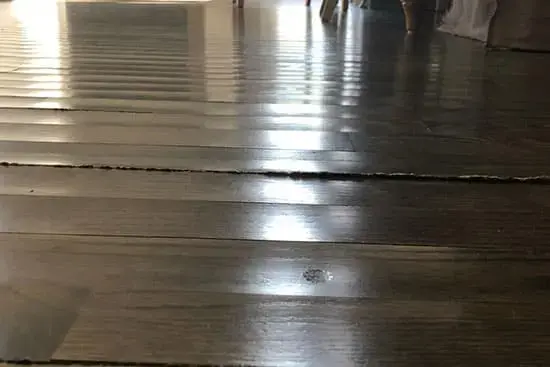 Hardwood Floor Water DamageHardwood cups and buckles as it absorbs water, so drying mats and moisture control protect the boards.How it gets handled
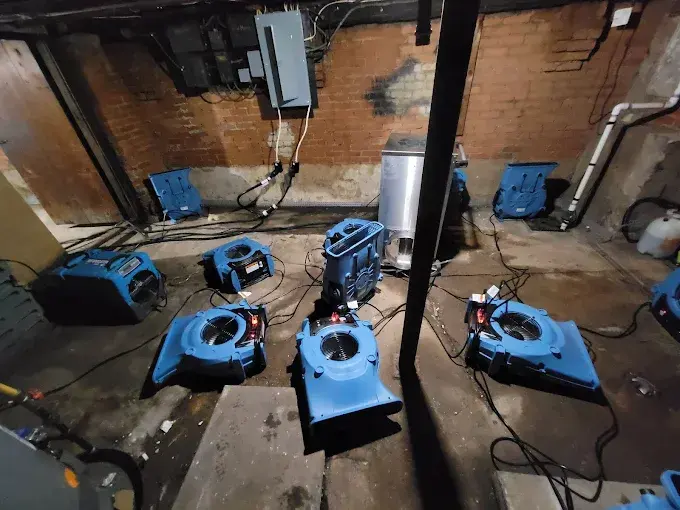 Structural Drying and DehumidificationAir movers and LGR dehumidifiers dry framing, subfloors and concrete until readings reach normal.How it gets handled
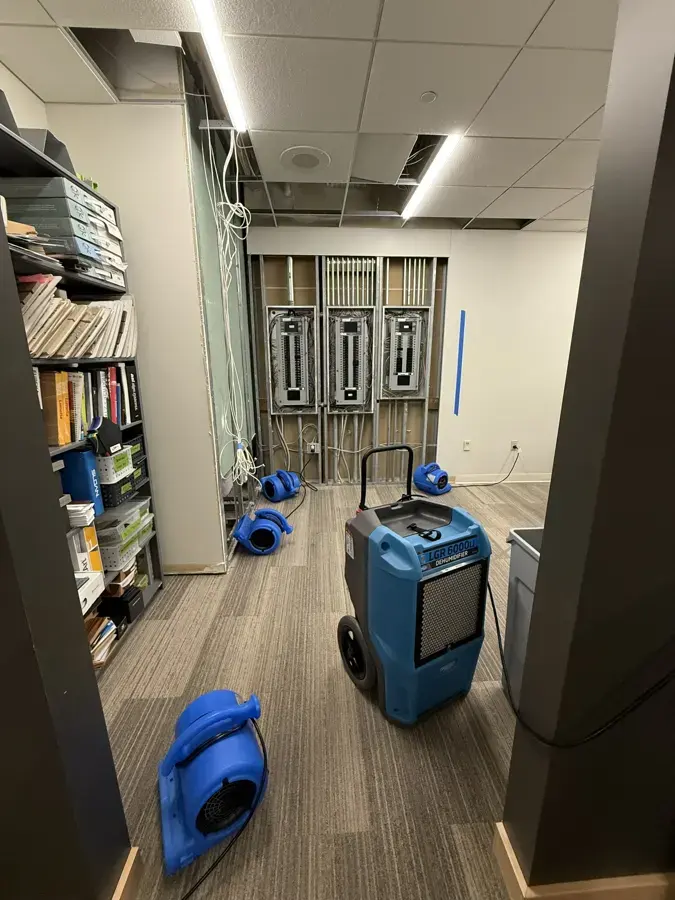 Commercial Water DamageOffices, retail units and industrial sites get phased drying that keeps tenants working during cleanup.How it gets handled
Not sure which service fits your water problem?
Dispatch can sort out the source, the water category and the likely scope from a short conversation, then point the crew at the right job.
Describe the water to dispatchWalker water damage calls for fast pump-out and careful drying
Walker is a city of 25,132 people in Kent County, bordering Grand Rapids to the north and west, with I-96 along its north side and M-45 crossing from west to east. Water here arrives from storms, river rise and failing plumbing, and each source needs a different first move from the crew.
The crew pumps out standing water, measures moisture in every wet surface, and logs daily readings so the insurance paperwork matches what the structure needed. Start with basement flooding cleanup when a lower level is wet.
- Standing water pulled out before drying starts
- Moisture readings logged for every wet room and wall
- Plain reports ready for the adjuster
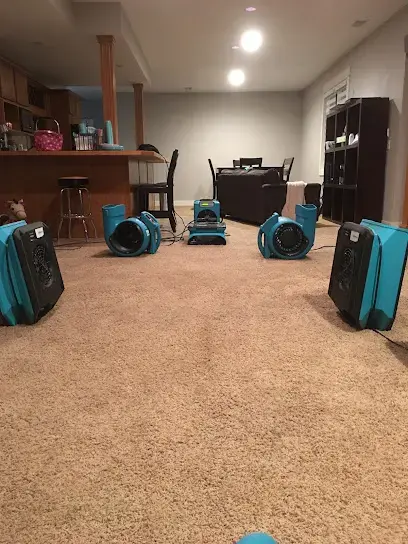
A drying plan built around readings, not guesses
- 1
Map the moisture
A meter and thermal camera mark which floors, walls and ceilings are wet, so equipment goes where the water actually traveled.
- 2
Extract the water
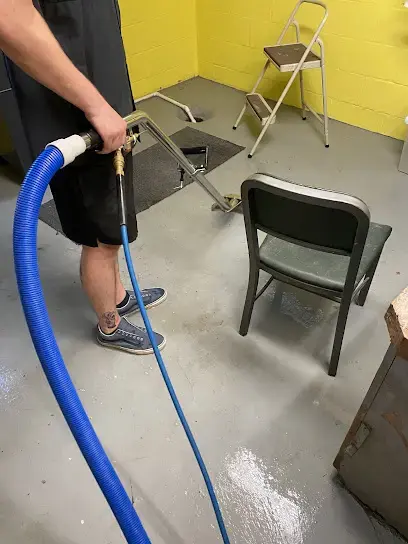
Truck-mounted and portable extractors pull standing water and soaked pad, which removes most of the moisture before dryers start.
- 3
Set the dryers
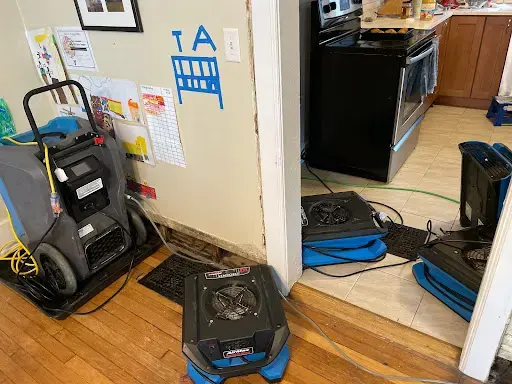
Air movers and LGR dehumidifiers go in by room size and material, then get adjusted as the daily readings come in.
- 4
Confirm it is dry
Drying stops only when walls, subfloors and framing reach their normal readings, and the final log goes in the claim file.
What sets this crew apart
Rapid local response
Dispatch never closes, and the crew knows how I-96, M-45 and Alpine Avenue connect the parts of the city.
IICRC S500 standard
Drying follows the S500 water damage standard, with classes of water, targets for each material and readings that prove the finish.
Adjuster-ready paperwork
Photos, moisture logs and equipment records go in one file, so a claim shows what was wet and for how long.
Local know-how
River rise on the Grand River, creek drainage and storm runoff shape where Walker water collects, and the crew plans for it.
What Walker water damage cleanup usually costs
In Walker, price follows the water category, the area that is wet and how long it sat before pump-out. A small clean loss runs about $1,000 to $4,000, a finished lower level about $4,000 to $12,000, and a sewage or flood loss $10,000 to $30,000 or more.
Small clean leak
- One room of wet flooring
- Extraction and air movers
- Daily readings until dry
Finished lower level
- Wet carpet and pad removed
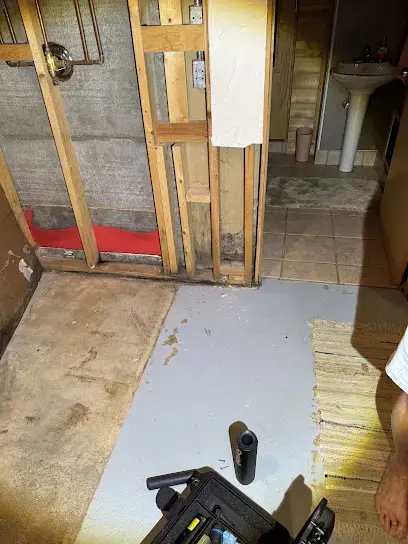
- Flood cuts where walls wicked
- LGR drying for several days
Sewage or floodwater loss
- Category 3 water
- Containment and removal
- Full tear-out and drying
Ranges are typical, not a quote, and the real number comes after the crew measures moisture on site. Coverage for sudden water losses varies by policy.
Where the water came from changes the job
Clean supply water
A split pipe or failed fitting releases clean water, which degrades if it sits in carpet and framing.
Burst pipe cleanupGray water from appliances
Washers, dishwashers and supply hoses can release gray water that needs prompt removal from floors and cabinets.
Appliance leak cleanupBlack water from sewage
Sewage backups and river floodwater carry contamination, so the area is sealed off and treated, never simply dried.
Sewage backup cleanupDocumentation for your insurance claim
- Dated photos of every wet room before anything is moved
- Moisture readings from each affected surface
- Notes on what failed and when
- A list of damaged belongings and removals
- Equipment placement and daily drying logs kept together
- Receipts for emergency repairs and temporary housing, if needed
The crew keeps this file current for the adjuster. Policies differ on sudden water, and Walker takes part in the National Flood Insurance Program for flood cover, so owners confirm terms with their carrier.
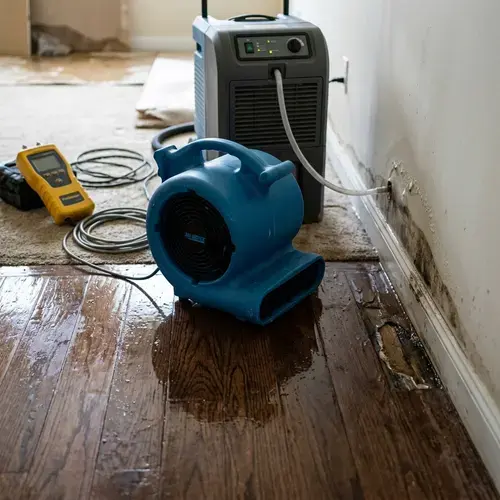
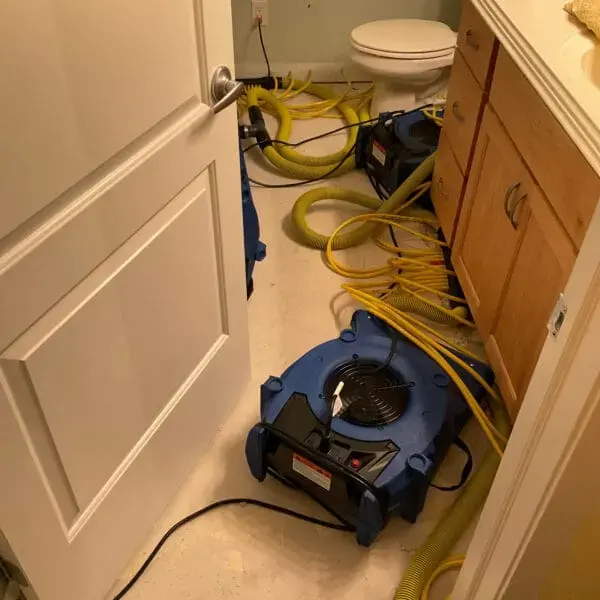
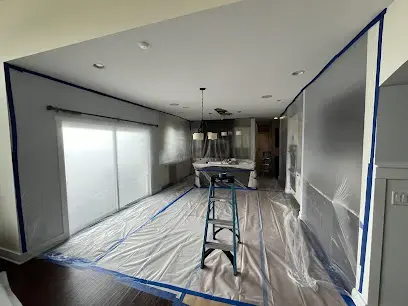
Equipment and methods used on Walker water jobs
Walker neighborhoods and corridors served
Crews work across Walker from the Standale Business District to subdivisions such as Alpine Estates and English Hills.
ZIP codes in Walker
Walker ZIP codes 49534 and 49544 are both covered, including apartment complexes, condo communities and single-family streets inside each one, from Standale to the city's western edge.
Nearby cities
Standale and Alpine
- Standale
- Standale Business District
- Alpine Avenue
- Alpine Estates
Along Lake Michigan Drive
- Lake Michigan Drive
- Remembrance Road
- Wilson Avenue
- Meijer headquarters
Subdivisions and ridges
- English Hills
- English Ridge
- Bristol Ridge
- Jason Ridge
Apartments and condos
- Apple Ridge
- The Orchards
- Green Ridge
- Westown
Water damage crews serve all of Walker
Highway access along I-96 and M-45 lets crews cover Alpine Avenue, Remembrance Road and every subdivision in between. Dispatch answers at any hour, including weekends and holidays, and the call starts with a few questions about the water.
Ask about Walker pump-out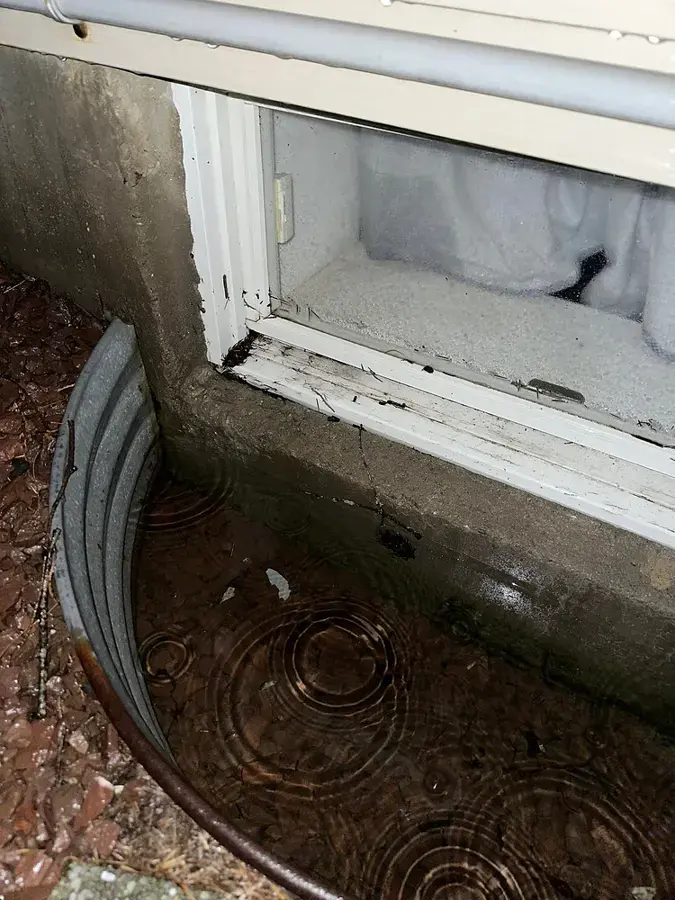
Recent water events that shaped Walker risk
Heavy rain and Grand River rise have both reached Walker and the Grand Rapids area in recent years.
- March 11, 2026 overnight storms flooded West Michigan roads, and Walker took nearly three inches of rain, a real test for sump pumps.
- The Grand River reached 18 feet downtown on April 20, 2026, after the Walker Police Department closed Rick Johnson Park and Trails.
- The April 2013 flood crested the Grand River at 21.85 feet in Grand Rapids, and a $703,000 flap gate and flood wall contract followed.
- FEMA flood maps for Kent County took effect February 23, 2023, and Walker updated Chapter 42 of its city code.
Walker water damage questions
Q01How fast does water damage spread inside a Walker home?
Water wicks into drywall, insulation and subfloors quickly, and wet materials can start to swell, stain or grow spores if they stay wet for long. Pumping out and starting dryers early limits how much has to be torn out.
Q02What causes basement flooding in Walker?
Heavy storms, rising creek and river levels, a sump pump that stops, or a sewer backup can all put water in a lower level. The March 11, 2026 storms brought nearly three inches of rain to Walker.
Q03Does homeowners insurance cover water damage in Walker?
Policies usually cover sudden and accidental water, such as a split pipe or a failed water heater, but often exclude gradual leaks and rising floodwater. Flood cover comes through a separate flood policy, and Walker takes part in the National Flood Insurance Program. The adjuster makes the final call on a claim.
Q04Who handles Walker water and sewer service?
The City of Grand Rapids provides Walker's public water and sanitary sewer and bills for both. Pipes inside the building are the owner's concern, so a plumber handles repairs on the property side. The crew documents the damage either way.
Q05Does Walker have a flood zone map?
Kent County's FEMA flood maps changed on February 23, 2023, and Walker adopted the update. Owners who disagree with a zone can use a survey and the FEMA Letter of Map Amendment process to dispute it.
Q06Can a leak in one apartment damage another?
Yes. Water travels down through floors and ceilings, so a leak in one unit often reaches the unit below. Walker has 3,457 apartment units in named complexes, and each affected unit needs its own drying.
Q07What should an owner do first after a pipe bursts?
Close the main valve, keep clear of wet outlets, and call dispatch. Photos taken before cleanup begins support the claim. Move small valuables to dry shelves while waiting.
Q08Do commercial buildings in Walker get service too?
Yes. Walker has 964 businesses, from Alpine Avenue retail to industrial users, and commercial drying is planned to keep tenants working and downtime short. See commercial water damage for the details.
Q09How is a Category 3 water loss handled differently?
Category 3 water, such as sewage or river floodwater, carries contamination. The area is contained, porous materials are removed, surfaces are treated with antimicrobial, and crews wear protective gear.
Q10How is the drying finished and confirmed?
Technicians compare daily moisture readings against a dry standard for each material, remove equipment only when the readings match, and give the owner the final log for the claim file.
Walker water damage cannot wait for business hours
Dispatch takes the details, the crew brings pumps, extractors and dryers, and every step is documented for the insurance file. Call now if water is still on the floor or running inside a wall.
(888) 612-9219Call about Walker flooding