Water Extraction in East Grand Rapids, MI
Standing water in an older East Grand Rapids basement or crawl space is pulled out with truck-mounted and portable units, then every wet surface is measured so drying can start on solid readings.
(888) 612-9219Request water extraction now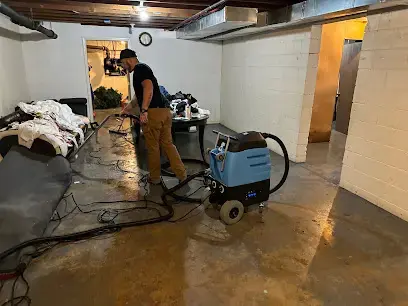
What to do right now about water extraction and removal in East Grand Rapids
Standing water does not stay put. In an East Grand Rapids house with an average build year of 1946, it can wick into old framing and finished floors while a decision waits. Extraction comes first, because every inch removed by pump is moisture the dehumidifiers never have to pull.
Stop the source
Close the main valve and stay out of water near outlets or cords.
Lift the contents
Raise rugs, boxes and electronics onto dry surfaces away from the wet floor.
Photograph the water
Capture the depth, the affected rooms and damaged items before pumping begins.
Call for pump-out
Describe the area and depth so the right extraction unit is sent.
How water extraction and removal is handled in East Grand Rapids, MI
Size up the water
The crew checks depth, source and category to pick the right extraction unit.
Pump and extract
Truck-mounted and portable units remove standing water from floors and slab.
Remove what is lost
Soaked pad and contaminated debris leave the building in bags.
Measure what remains
Readings on walls and floors decide the drying plan that follows.
What does water extraction and removal cost in East Grand Rapids, MI?
Extraction is the smallest part of a water job, and cost grows with water depth, floor area and whether carpet pad has to come out, with contaminated water costing more. The cards below show typical ranges.
A single wet room
- Shallow water on a hard floor or carpet
- Portable unit pass over the room
- Moisture check once water is out
Basement or several rooms
- Slab pump-out with a truck-mounted unit
- Carpet and pad lifted and hauled
- Moisture map of each wet room
Deep or contaminated water
- Inches of water over the slab
- PPE for contaminated water
- Debris and soaked pad carted out
Ranges are typical, not a quote. For a planning number on your own loss, run the water damage cost calculator; the on-site walkthrough sets the real scope.
What the crew removes
- Standing water from a basement slab or crawl space
- Soaked carpet and pad that cannot be dried in place
- Surface water from tile, vinyl and sealed hard floors
Category matters before the pump starts. Clean supply water allows more salvage, while sewage or storm water means contaminated materials are bagged and carted out. A contaminated loss is routed to sewage backup cleanup, and a dead pit pump to sump pump failure cleanup.
Why speed matters in older houses
Block walls and old framing hold water far longer than carpet does. The sooner the pump runs, the less water reaches subfloors, baseboards and the lower walls, and the shorter the later drying stays. Waiting for a puddle to drain on its own is where small losses turn into tear-outs.
What happens after the water is out
Once the pump is quiet, the crew measures walls, subfloors and baseboards and logs the numbers. Those readings decide whether carpet stays, where flood cuts are needed and how many dehumidifiers go in. Wet materials then move into structural drying with daily checks until every reading reaches the dry reference.
How water extraction and removal gets done to standard
Rapid local response
Wyoming water damage pros run 24/7 dispatch, and the response team treats standing water as urgent at any hour, holidays included.
IICRC S500 drying standard
The drying team follows IICRC S500, the industry drying standard: moisture mapping first, then structural drying, not just surface drying.
Claim-ready documentation
Each loss gets a moisture map, daily readings and timestamped photos, the file an adjuster reads before deciding a claim.
West Michigan water know-how
Block basements, sump pits, floor drains, frozen pipes and ice dams: local water damage experts know how water moves through a Kent County house.
Water extraction and removal across East Grand Rapids and nearby communities
Extraction crews work across East Grand Rapids, including the Reeds Lake shoreline, Gaslight Village, Wealthy Street and Lakeside Drive, and take calls from ZIP codes 49506 and 49546 for standing water and wet carpet.
The same service nearby: water extraction and removal in Wyoming, Grand Rapids, Kentwood.
Related water damage services in East Grand Rapids
Water Extraction and Removal questions in East Grand Rapids, MI
Q01Does shallow water still need extraction?
Yes. A thin film wicks into baseboards, carpet edges and wall bottoms, so it is removed and measured even when it looks minor.
Q02Can a shop vacuum handle a flooded basement?
A household unit moves a small amount and cannot lift water from carpet pad or a deep slab pool. Truck-mounted units move far more, which keeps spread down.
Q03Is carpet always removed after extraction?
No. Clean water on carpet with a sound pad may be dried in place, but contaminated water means the carpet and pad are discarded.
Q04What happens if the water came from a sewer backup?
The job is handled as contaminated water with protective gear, containment and antimicrobial treatment. Floor materials that soaked up sewage are usually removed.
Q05What readings follow the pump-out?
Meters check drywall, baseboards, subfloor and framing, and the numbers are logged by room so the drying plan and the claim file match.
Q06Why is extraction different from drying?
Extraction removes liquid water mechanically. Drying then removes the moisture held inside wood, drywall and block using dehumidifiers and air movers over days.
Standing water needs removal now
Standing water pushes moisture deeper into framing as it sits. Call dispatch, describe the depth and rooms, and extraction is planned from there.
(888) 612-9219Get water removed