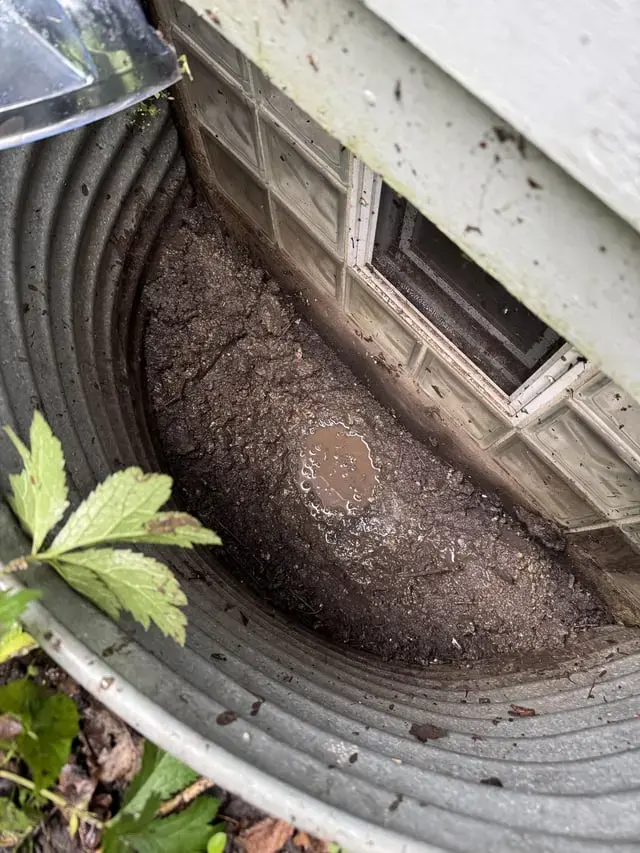
Grand Rapids grew up on the banks of the Grand River, where there was once a set of rapids. The river has flooded the city before, and when it rises, it brings more than water into a building. It brings silt, debris and whatever the river picked up on its way.
Key takeaways
- Flood stage at the downtown Grand Rapids gauge is 18 feet, and the April 2013 crest of 21.85 feet is the highest ever recorded there.
- River and storm water is treated as contaminated water, so porous materials that get wet are usually removed.
- Record rain of 9.1 inches by the morning of April 18, 2013 shows how fast runoff can outrun drains and basements.
- The first days decide how much flooring, drywall and framing can be saved.
- The city says its Sewer Improvement Project cut the chance of localized flooding, but heavy rain still stresses basements and low areas.
The history behind the flood risk
The Grand River is the longest river in Michigan, and its valley through Grand Rapids is flat and narrow with steep hills and bluffs around it. Water has a short path into the low ground.
The 1904 flood displaced 14,000 people in Grand Rapids and damaged 2,500 homes and 30 businesses. More than a century later, the April 2013 flood reminded owners that the river still has that reach.
- The Grand River crested at 21.85 feet on April 21, 2013, the highest level ever recorded in downtown Grand Rapids.
- Record rain of 9.1 inches had fallen by the morning of April 18, which broke a 104 year old record.
- The mayor declared a state of emergency and thousands of residents evacuated.
- Volunteers filled more than 100,000 sandbags.
What river water does inside a building
River water rises slowly, then recedes slowly, and it leaves a film behind. In a basement or ground floor, that film and the water itself soak into materials that cannot easily be cleaned.
Water that carries contamination
Floodwater is treated as Category 3. It can carry sewage, chemicals from the ground and bacteria, even when it looks like brown water and nothing more.
- Carpet and pad that sit in floodwater are removed, not cleaned.
- Drywall and insulation touched by the water are cut out above the high water mark.
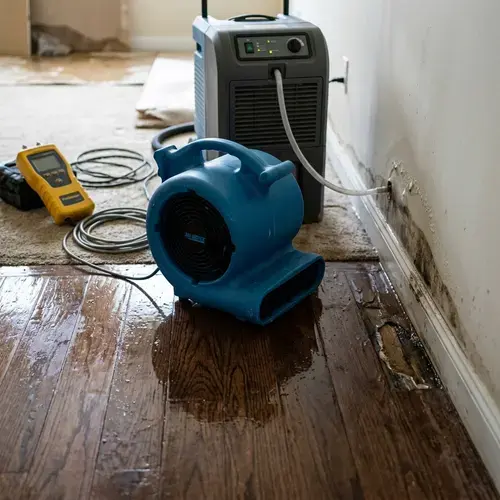
- Hard surfaces get cleaned and treated before drying equipment is set.
Water that keeps coming
A basement can take on groundwater and runoff even after the river drops, because the soil stays saturated. Pumps may have to run longer than expected.
- Standing water is extracted in stages so walls and slabs are not stressed by a sudden drop.
- Floor drains may back up when the system is full, so drain areas are watched during extraction.
Why the first days matter
Wet drywall, insulation and wood framing start to degrade after a few days. The sooner water extraction begins, the more of the structure can be dried in place.
A quick plan also shortens the time that a family is out of the house. Extraction, removal of wet materials and drying equipment all go in during the first stretch, then readings are taken every day.
- Photograph the water level on the walls before pumping starts.
- Shut off power to the flooded area from the panel if it can be reached safely.
- Move valuables, paperwork and electronics to higher ground.
- Do not walk through standing water that may cover outlets or cords.
The sewer work and what it does not change
The city completed its Sewer Improvement Project in 2015, which eliminated all combined sewer overflow points in the system ahead of a 2019 state deadline. The city says the project significantly reduced the chance of localized flooding.
A stormwater storage facility at Mary Waters Park, also built in 2015, holds 720,000 gallons. These projects help the system, but they do not stop a river from rising or a heavy storm from stressing a basement.
- The city says footing drains tied to the sanitary sewer add water that can cause basement backups in many areas.
- Plaster Creek runs through commercial, residential and industrial areas and empties into the Grand River south of downtown.
- Several tributaries of Plaster Creek, including part of Silver Creek, were put in underground pipes.
Getting ready for the next river rise
A river flood gives some warning, which makes preparation worth the effort. The National Weather Service posts forecasts for the Grand River, and flood stage at the downtown gauge is 18 feet.
Grand Rapids also averages about 75.6 inches of snow a year, so a spring melt on top of rain can add to the load on basements and low areas.
- Photograph the finished and unfinished areas of the house now, so a later claim has a before picture.
- Keep valuables, paperwork and electronics off basement floors.
- Know where the main electrical shutoff sits and whether the area around it stays dry.
- Ask the insurer about flood coverage before the season, not after the water rises.
What a flood response includes
A storm and flood cleanup in Grand Rapids follows a set order. Basement wide water in a finished space is commonly priced from $6,500 to $14,000, and deep or long standing water can run from $14,000 to $25,000+.
The pricing depends on how much is removed and how long drying runs.
- Extraction of floodwater and removal of mud and debris.
- Removal of carpet, pad and wet drywall.
- Cleaning and antimicrobial treatment of hard surfaces.
- Low grain refrigerant dehumidifiers and air movers until readings reach a dry reference.
After the water goes down
A building that flooded once is worth watching. A new stain on a wall, a musty smell or a soft spot in the floor means moisture is still in the material.
The Grand Rapids service area covers the city's neighborhoods, from the river valley to the higher streets, with the same response across all of them.
- Keep a log of moisture readings from the team so a claim has numbers behind it.
- Replace insulation and drywall only after readings show the framing is dry.
- Ask the insurer about flood coverage, which is often separate from a standard homeowner policy.
Questions
What was the highest the Grand River has been in Grand Rapids?
The river crested at 21.85 feet on April 21, 2013, the highest level ever recorded in downtown Grand Rapids. Flood stage at the downtown gauge is 18 feet.
Is river flood water considered contaminated?
Yes. Floodwater is treated as Category 3 because it can carry sewage and other contaminants, so porous materials that it touches are usually removed.
Can a flooded basement be saved after the river drops?
Often the slab, block walls and framing can be dried and saved. Carpet, pad and wet drywall are the materials most likely to be removed.
Does flood damage fall under regular homeowners insurance?
Standard policies often exclude flood from rising water, so a separate flood policy may apply. The insurer can say which coverage fits the loss.
How soon should extraction start after a flood?
As early as it is safe. Extraction, material removal and drying begin together so that less of the structure stays wet.