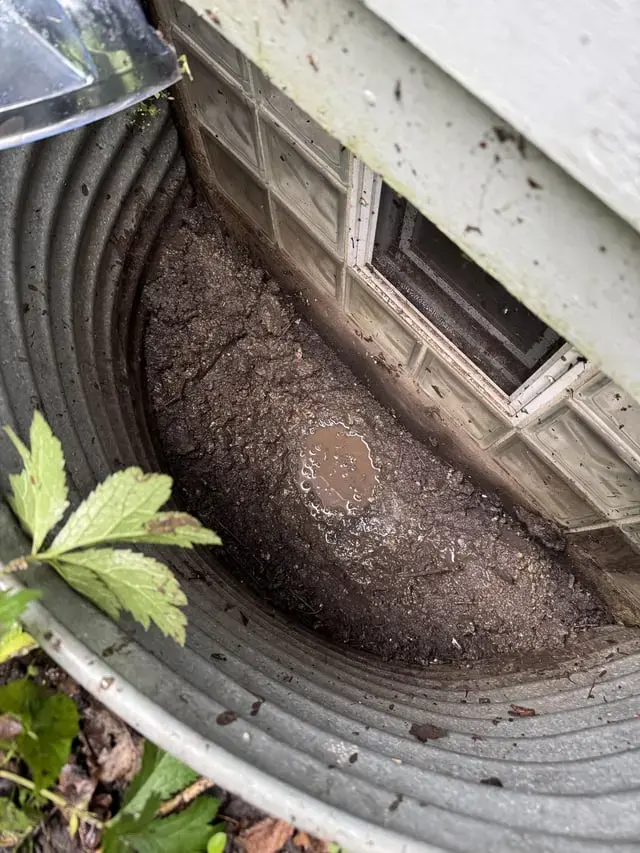
Kentwood sits on two creeks that most residents never think about until one leaves its banks. The USGS says Kentwood has faced repetitive flooding from Plaster Creek near Shaffer Avenue SE and 36th Street SE. For a home or business in that kind of setting, the question is not only when the water comes, but what to do before it goes back down.
Key takeaways
- Plaster Creek flooding puts nearby businesses and public and private property at risk, according to the USGS, and it threatens bridges, exposed sanitary sewer pipes and storm water systems.
- Creek water is treated as contaminated, so wet carpet, pad and drywall are usually removed.
- Exposed sanitary sewer pipes near the creek mean flood water may carry sewage.
- Updated FEMA flood maps for Kent County took effect in February 2023, so an owner can check the current map for a property.
- The first steps are safety, photos, moving contents up and starting extraction as soon as the water allows.
The creeks that run through Kentwood
The Plaster Creek watershed lies entirely in Kent County, with headwaters in Gaines Township. Little Plaster Creek joins Plaster Creek in the City of Kentwood.
Buck Creek also runs through Kentwood and Wyoming as an urban stream before it enters the Grand River in Grandville. Kentwood has almost no open water of its own, so the creeks carry most of the local flood risk.
- Urban creeks rise quickly because parking lots, roofs and roads send rain straight to the channel.
- A creek that is calm in the morning can overflow after a storm that fell upstream.
- Little Plaster Creek and Plaster Creek meet inside the city, which concentrates flow in one reach.
What the USGS says about repeat flooding
The USGS says Kentwood has faced repetitive flooding from Plaster Creek near Shaffer Avenue SE and 36th Street SE. That wording matters, because repetitive means the same area, not a one time event.
What is at risk
The agency lists nearby businesses and public and private property as at risk from Plaster Creek flooding. It also lists bridges, exposed sanitary sewer pipes and storm water systems.
- Business owners near the creek can expect water in parking areas and ground floors.
- Exposed sanitary sewer pipes raise the chance that flood water carries sewage.
- Storm water systems that fill with creek water cannot take roof and street runoff.
What has been studied
The US Army Corps of Engineers Detroit District sought a hydraulic model of the Plaster Creek reaches. Debris jams on Plaster Creek and Little Plaster Creek were photographed in summer 2018.
- Debris jams slow the creek and can push water out of its banks sooner.
- A hydraulic model shows how water moves, but it does not replace a drying plan once water is inside.
What creek water carries into a building
Water that leaves a creek picks up silt, leaves, fuel and whatever else sits near the channel. In a building, that mix is treated as Category 3 water.
That has practical effects. Carpet, pad and wet drywall that touched creek water are removed, and hard surfaces are cleaned and treated before drying begins.
- Silt left on a slab dries into a layer that has to be washed off.
- Wet insulation holds contamination and should come out with the drywall.
- Contents that soaked, such as upholstered furniture and cardboard, are usually lost.
Steps before the water recedes
Most of the decisions in a creek flood come while water is still present. A few steps help keep the damage from getting worse.
- Stay out of standing water that may cover outlets, cords or a furnace.
- Shut off power to flooded areas from the panel only if the panel can be reached dry.
- Photograph the water level on walls, doors and furniture, and note the time.
- Move valuables, paperwork and electronics up and away from the water.
- Call a restoration team so extraction can begin as soon as the water level allows.
How extraction and drying proceed
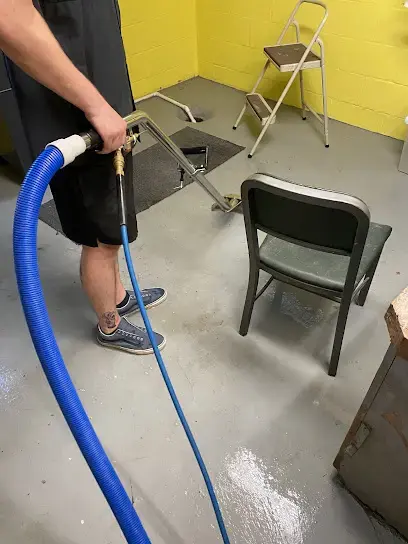
Once the creek drops, water extraction comes first. Pumps or truck mounted units pull standing water off floors, and wet materials that cannot be saved are removed.
A storm and flood cleanup is priced by how much of the building is affected. A window well or stairwell leak commonly runs $3,000 to $6,500, and basement wide water runs $6,500 to $14,000.
- Extraction of standing water and mud.
- Removal of wet carpet, pad and drywall above the high water mark.
- Cleaning and antimicrobial treatment of the slab and wall base.
- Dehumidifiers and air movers with daily readings until the structure is dry.
Preparing a business near the creek
A shop, office or warehouse that floods loses more than floor space. It loses days of work, and the way drying is planned can decide how long the doors stay closed.
Commercial water damage work is often done in phases, so one area is dried while another stays open. That approach matters for a business that cannot stop operating.
- Keep stock and records on shelves above the floor in rooms that sit low.
- Know where the water shutoff and the electrical panel are.
- Photograph inventory and equipment now, so a later claim has a record.
- Keep a list of the people who need to be reached when the doors are closed.
Checking the flood map and the paperwork
Updated FEMA flood maps for Kent County took effect in February 2023. An owner who sees repeat water near the creek can check where the property sits on the current map.
Flood coverage is often separate from a standard homeowner or business policy, so the insurer should be asked what applies before the claim is filed. See the Kentwood service area for the neighborhoods and ZIP codes covered by this work.
- Keep photos, moisture readings and receipts together in one folder.
- Ask whether the policy covers creek overflow, sewer backup or both.
- Keep damaged items until the adjuster approves disposal.
Questions
Where in Kentwood has Plaster Creek flooded repeatedly?
The USGS says Kentwood has faced repetitive flooding from Plaster Creek near Shaffer Avenue SE and 36th Street SE.
Is creek flood water considered contaminated?
Yes. Creek overflow can carry silt, debris and sewage, so it is treated as Category 3 and porous materials that it touches are removed.
Can a flooded basement be dried in place?
The slab, block walls and framing can often be dried. Carpet, pad and drywall that sat in creek water are usually removed first.
Do the new FEMA maps affect a flooded property?
Updated maps for Kent County took effect in February 2023. They help an owner understand flood risk and insurance options, but they do not change how the cleanup is done.
What should a business owner near the creek do first?
Protect people, then photograph the damage, move inventory and records up, and call for extraction as soon as the water allows.